
Church of the Isles United Church of Christ
Repairing a Church After Two Hurricanes
Church of the Isles United Church of Christ in Indian Rocks Beach, Florida, is home to a congregation committed to the local community via its worship services, feeding program, and thrift store. Unfortunately, hurricanes Helene and Milton in 2024 severely damaged their property and destroyed all building contents, causing them to close for major repairs.
NEED
An eight-foot storm surge from Hurricane Helene and then wind damage from Hurricane Milton shortly after caused significant damage to Church of the Isles' building. The congregation needed help rebuilding.


GOAL
The congregation wanted to return to its important place in the Indian Rocks Beach community.
"Church of the Isles has a living ministry as a spiritual home for many and as a community involved in its wider setting. The church is well known for its ministry and service as it partners with others in the community to change and heal lives," said Rev. Nayiri Karjian, interim conference minister when the hurricane hit.
Impact
Thanks to a Cornerstone Fund Disaster Care loan, Church of the Isles was able to repair its building and replace lost belongings. It’s now open to the community again for worship services, a thrift store, and meetings.
Learn more about the recovery process at Church of the Isles in these articles from the national news desk of the United Church of Christ:
“Florida UCC Churches Organize Helping Hands in Wake of Recent Hurricanes”

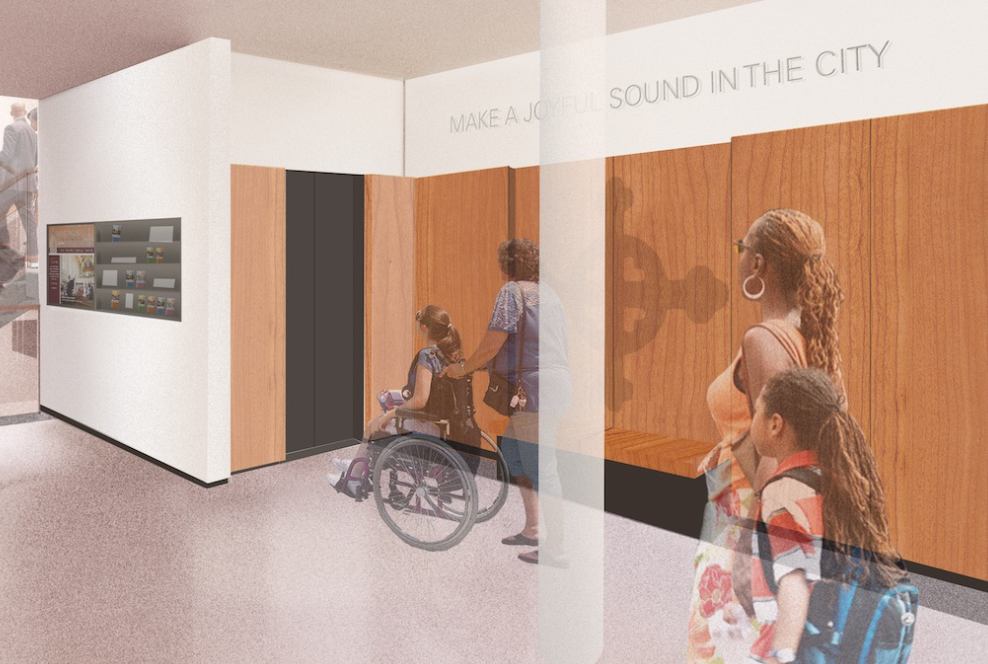
Making Spaces Welcoming, Inclusive, and Accessible
Every person deserves a place where they are welcomed, valued, and able to fully participate in the life of their community.
The Cornerstone Fund offers financing to help churches and non-profit organizations address a range of building-related needs, including accessibility improvements to support inclusion of people in all aspects of your mission. The Cornerstone Fund offers a variety of financing options for building accessibility improvements, including:
- Elevators
- Ramps
- Accessible bathrooms
- Sensory rooms
- Technology for hearing & visually impaired persons
- Other building modifications
We couldn't do this without our investors! Here are a few project examples we've helped finance to make spaces more welcoming, inclusive, and accessible for everyone.
Sixth Avenue United Church of Christ - Denver, Colorado
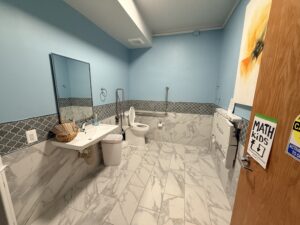
Sixth Avenue United Church of Christ's building was constructed in 1923 and despite its 100 years of service and its mission of welcoming the community, the building never had a wheelchair-accessible bathroom. The congregation was aware that not only did this exclude members of its own parish life, but it also limited many rental events such as weddings and recitals. They watched for years as those events went elsewhere because of the lack of an accessible bathroom at Sixth Avenue UCC. What's more, many businesses and nonprofit organizations are barred by their policies from holding events where there is no accessible bathroom. Sixth Avenue UCC knew that the addition of an accessible bathroom would allow them to better serve the entire community.
Thanks to our investors, the Cornerstone Fund helped the church finance the construction of a new accessible bathroom - seen in the photo above.
------------------------------------------------------------------
Faith United Church of Christ - New Braunfels, Texas
Faith United Church of Christ in New Braunfels, Texas, provides a central fellowship location for the community, as well as a home for its outreach efforts around local and national social justice issues. Aging and inaccessible facilities, however, impeded their core mission of being a welcoming congregation committed to social action.
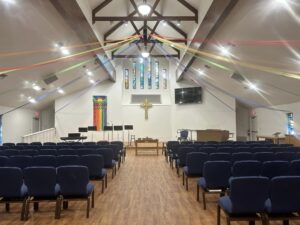
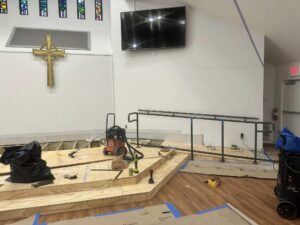
Thanks to our investors, the Cornerstone Fund helped finance the church's renovation of the sanctuary to include a ramp to the stage/altar space and flexible, accessible seating.
------------------------------------------------------------------
St. Pauls United Church of Christ - Chicago, Illinois
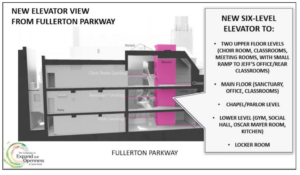
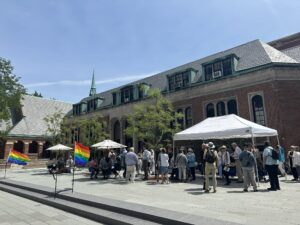
One of the five oldest churches in Chicago, St. Pauls' aged building lacked the infrastructure that would make it fully accessible and welcoming to everyone in the congregation and the community at large. In 2020, the congregation embarked on its "Creating Accessibility for All' plan, which included installing a five-stop elevator that would make the facility usable for people of all abilities, as well as redesigning and constructing a new and accessible courtyard space where numerous church and community events take place.
Thanks to our investors, the Cornerstone Fund helped finance the church's major renovations, and the congregation unveiled the changes in the fall of 2025.
Thank you, investors!
We’re grateful for the role you play in helping churches create more welcoming and accessible spaces where all people can participate fully.
Redress and Reconciliation at The Pūʻā Foundation
Written by David Pate, Cornerstone Fund Loan Portfolio Assistant.
Reconciliation is at the heart of the Gospel and is a value close to the United Church of Christ’s heart. It was from this that the UCC started the Redress and Reconciliation Initiative—an apology for the UCC’s ancestral denomination’s complicity in the 1893 overthrow of the Hawaiian Government. In the early 19th century, Congregational Churches who would later go on to help form the UCC, sent missionaries to Hawaii to plant churches and spread literacy.
While the overthrow was not formally planned or executed by these missionaries, they helped set the stage for it by introducing western legal systems, private land ownership, and aligning their cultural and political alignment with US interests.
Nearly a century and a half after the overthrow, the dwindling native populations continue to see their culture and land washed away. Today, private landownership deeply restricts native access to the resources that once sustained their ancestors.

In a direct response to this and the other consequences of the ancestral compliance with the overthrow, the UCC made a formal statement of apology for its complicity in 1993—but did not stop at words. In 1996, The Pūʻā Foundation was created out of the UCC’s Apology, Redress, &and Reconciliation Initiative.
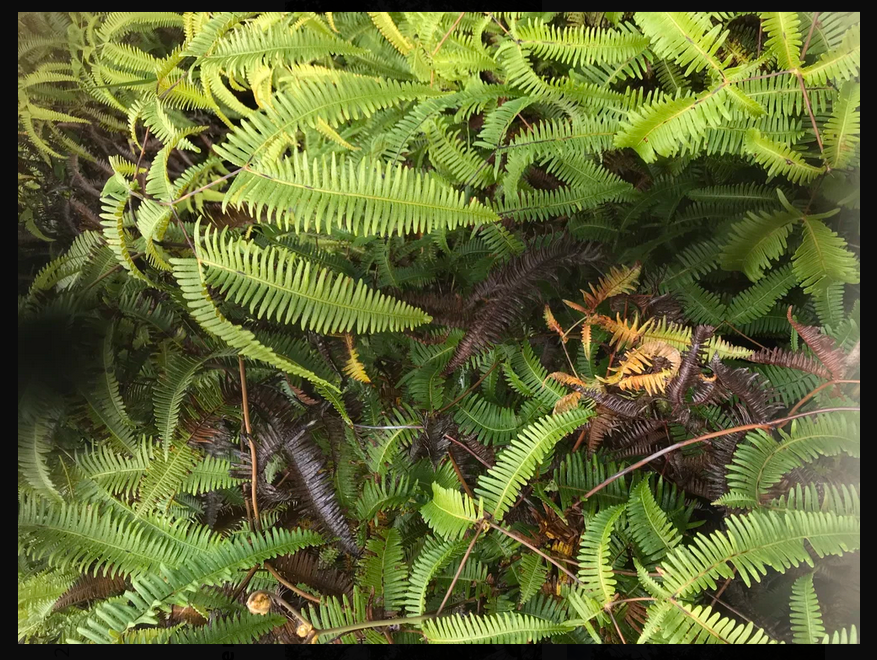
The Pūʻā Foundation addresses the root causes of social issues and helps promote cultural preservation and resilience. Their work includes reconnecting families with traditional Hawaiian produce, medicinal plants and agricultural practices, as well as programs aimed at increasing economic self-sufficiency for Native Hawaiian women and families, preserving Native Hawaiian culture through educational programs, community workshops, and cultural events. The Pūʻā Foundation is a strong advocate addressing systemic inequalities and promoting policies that benefit Native Hawaiians and other marginalized groups.
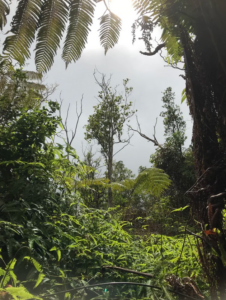
When, in 2024, The Pūʻā Foundation reached out to the Cornerstone Fund for help to acquire and improve property for agricultural activities related to its stewardship of the Punahoa Heritage Forest, it was not only a privilege but a duty to step in and answer the call. Lending $500,000.00, the Cornerstone Fund has helped The Pūʻā Foundation expand its impact and reach allowing it to continue to allow Hawaiians to learn about their heritage and experience culturally rejuvenating gatherings.
The UCC and Cornerstone Fund understand that reconciliation is not a one-time obligation, but an ongoing commitment to support a community’s advancement. We are proud of our partnership with The Pūʻā Foundation and their commitment to justice. The Cornerstone Fund looks forward to the completed project and seeing the amazing impact to come from it.

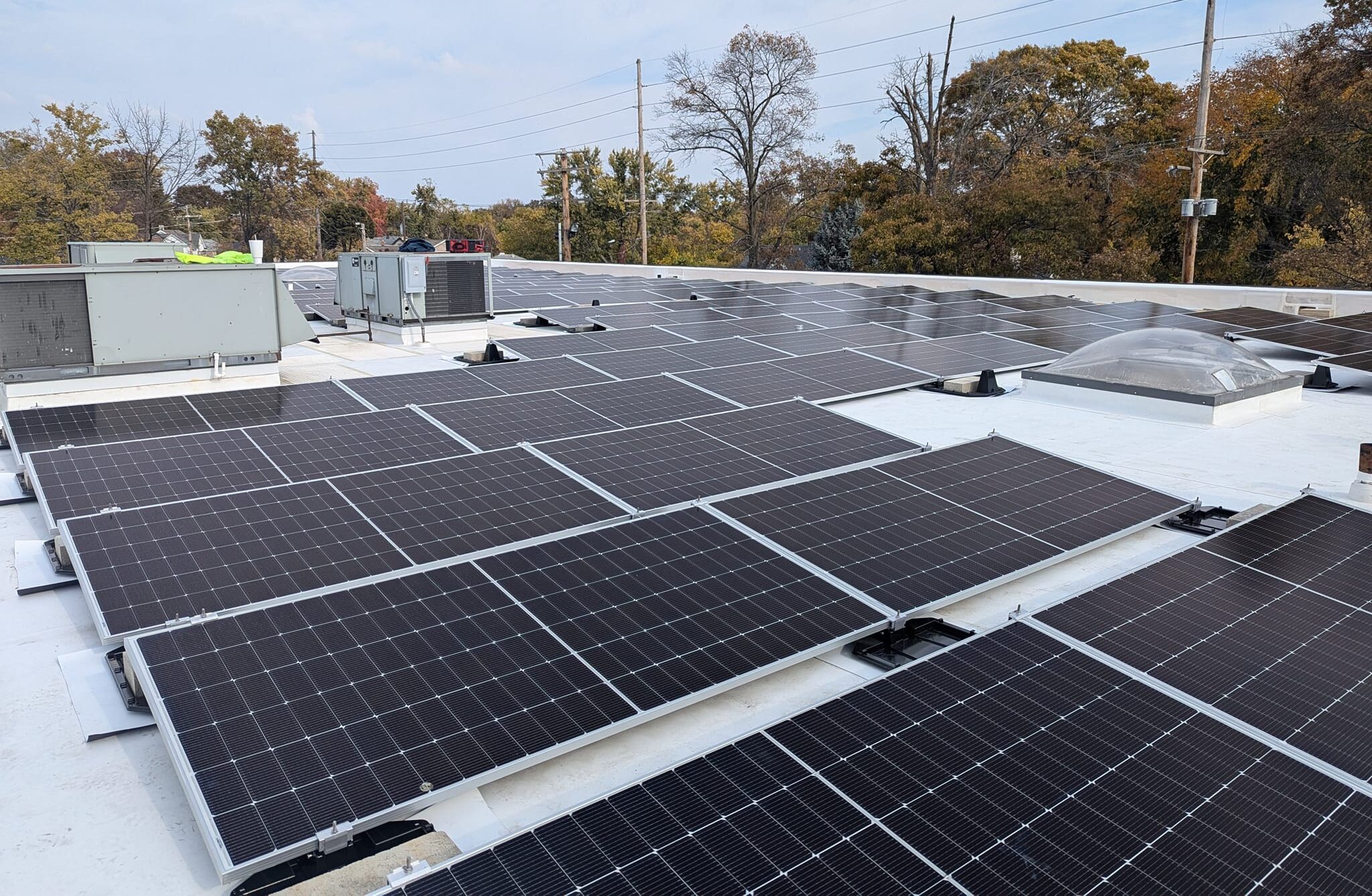
St. John's Evangelical United Church of Christ
Cornerstone and Credits Help Church Go Solar
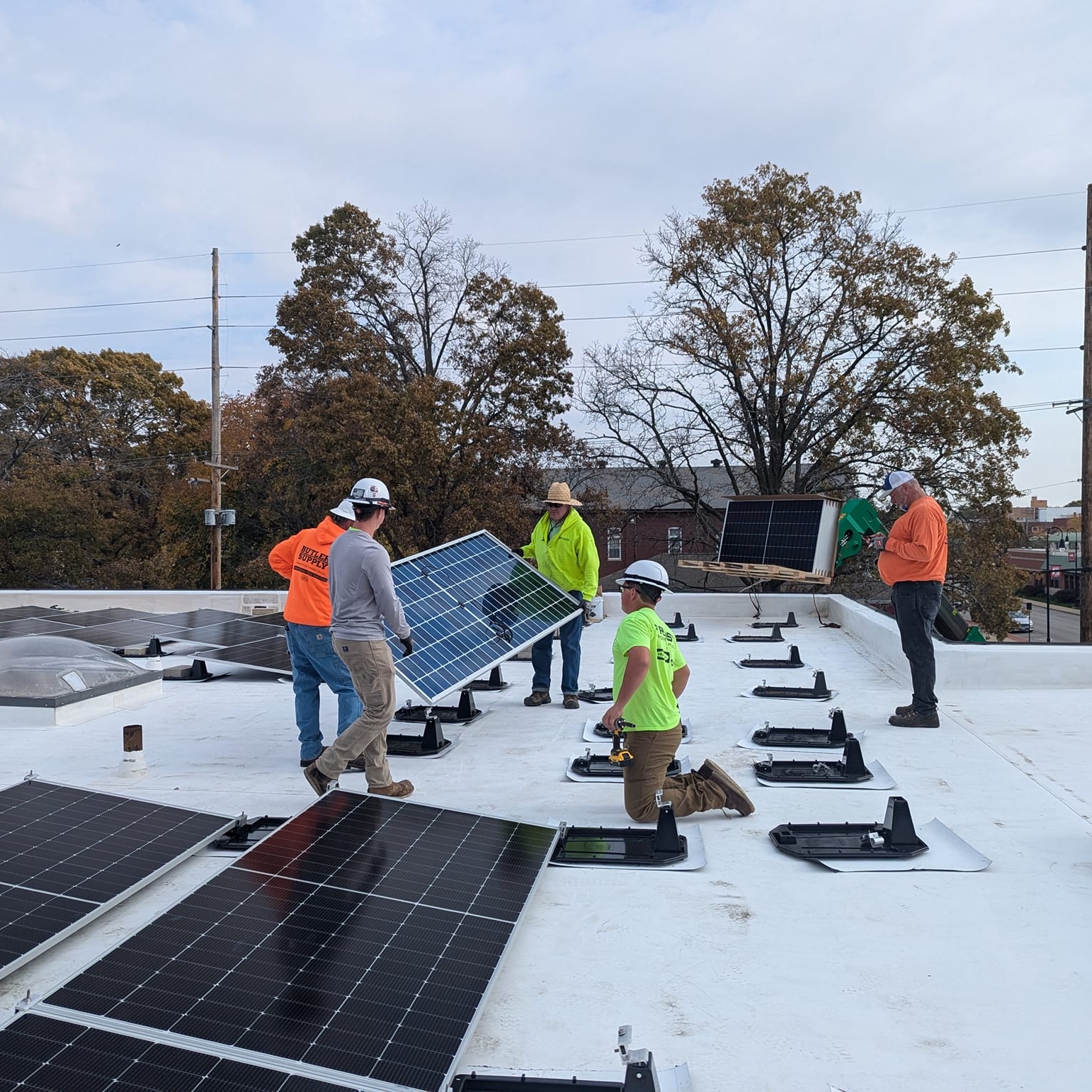
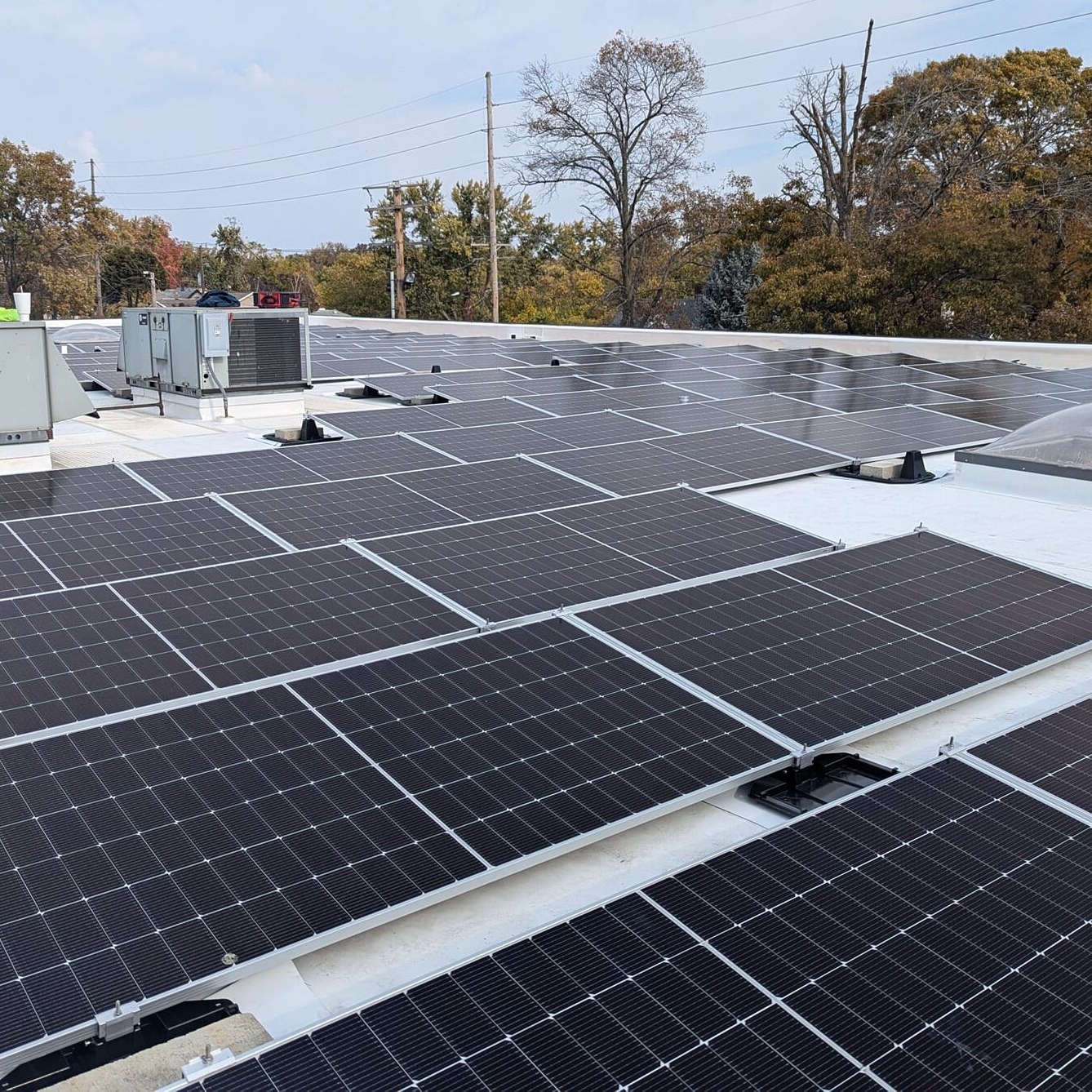
St. John’s Evangelical United Church of Christ in Collinsville, Illinois, is a mission-minded church with numerous programs helping the community with youth development, food distribution, and an adult daycare. To help the church save money on electricity bills and instead put that funding toward their other missions, the congregation decided to put solar panels on the church building’s roof.
NEED
St. John's UCC saw its electricity bills rising rapidly and decided that solar panels would be the way to lower those monthly costs.
"Every church struggles with its budget. Our cost for electricity over a year was $42,000!" said Joy Honegger of St. John's UCC.
CALLING
St. John's UCC is called to extensive mission work in their community -- which is a low-income neighborhood on the east side of St. Louis.
"Being able to use the money saved by solar power for something else that is mission driven was a real attraction," said Honegger.
God Math
Thanks to two Illinois clean energy credit programs and a $395,100 Creation Care loan from the Cornerstone Fund, St. John’s UCC installed its solar panels in early 2025 and officially turned them on in the spring of 2025. The solar now accounts for 95% of their power and has lowered their monthly bills by more than $1,800 every month.
“It was great to have a lender like the Cornerstone Fund who could help us navigate through all the federal and state programs. We were very impressed. The Cornerstone Fund was so accommodating and able to meet a very aggressive timeline. We were very appreciative!”
– Joy Honegger, former St. John’s UCC council president and the congregation’s solar project lead.
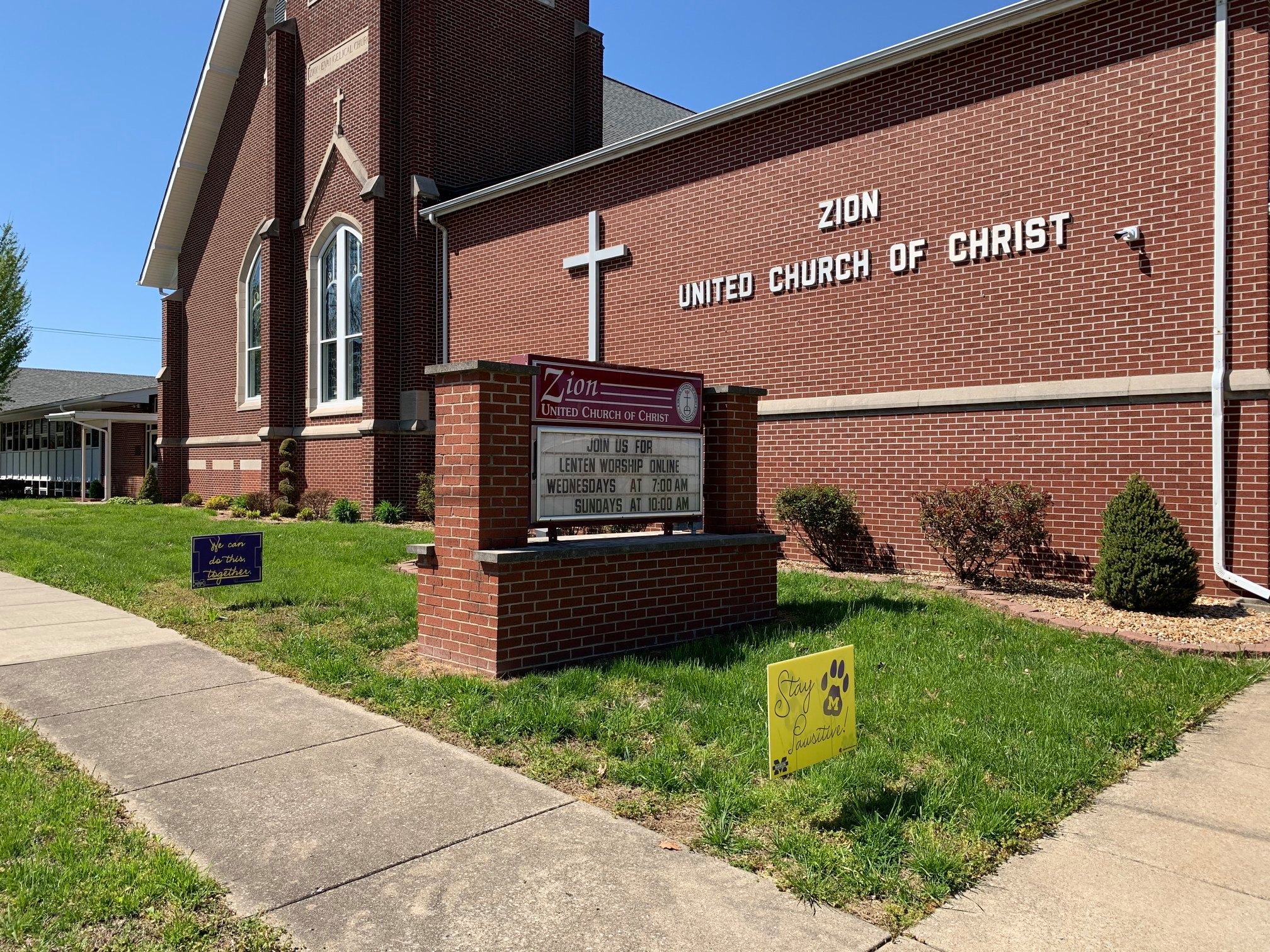
Zion United Church of Christ
Solar Powered from the Parking Lot
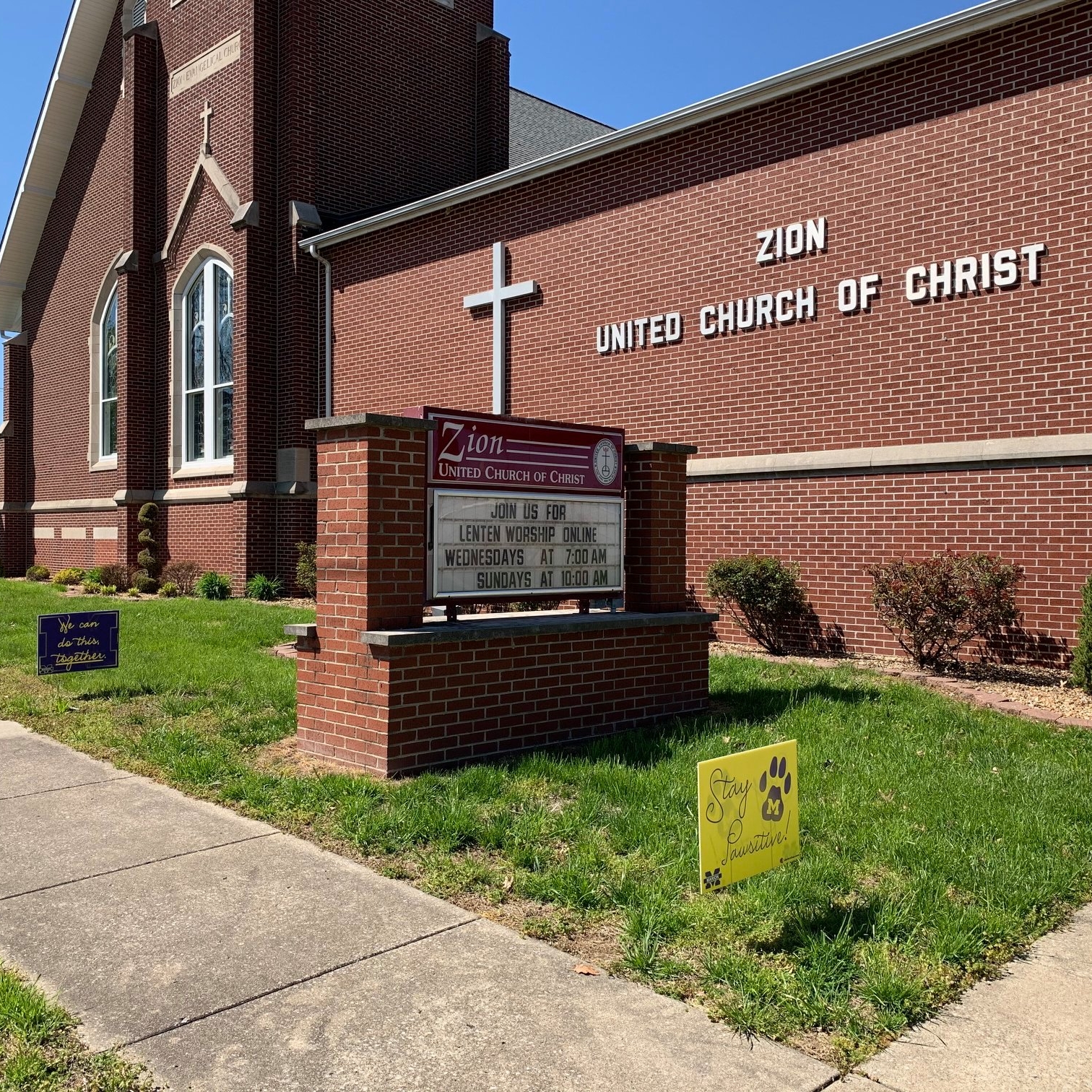
Zion United Church of Christ is a community-minded church in Marion, Illinois. Their meal programs feed hundreds of city residents of all ages annually. Roughly five years ago they wanted to advance their Creation Care commitments by installing solar.
NEED
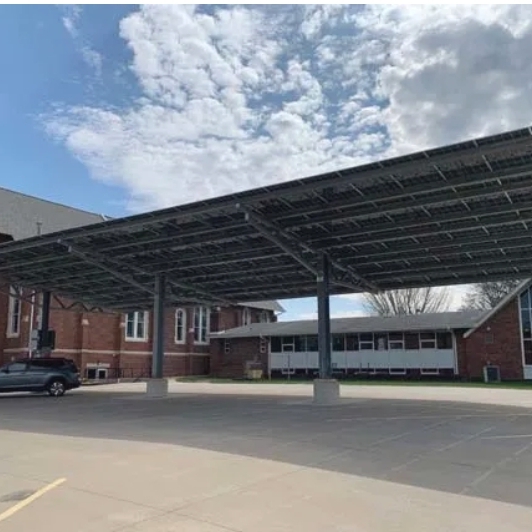
Zion UCC saw its electricity bills triple in the past several years. In the interest of saving money and caring for the Earth, they needed funding to install a solar canopy over part of the church's parking lot.
CALLING
Zion UCC is called to Creation Care initiatives because of their concern for the earth, lower energy bills, and wanting to demonstrate the ease of clean energy installation to their city.
"Our tradition teaches that caring for creation is a sacred trust," church leadership said in a statement. "This project is one way our congregation seeks to honor that calling by reducing our environmental footprint and contributing to a more sustainable future for our community and our world."
God Math
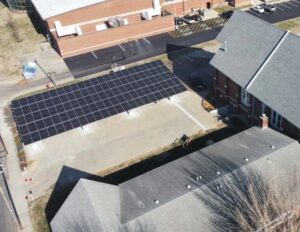
The Cornerstone Fund’s Creation Care loan for $273,000 helped the congregation install a solar canopy over part of its parking lot. The project continues their Creation Care commitments; it will lower church energy bills and demonstrate the power of clean energy to all of Marion.
Learn more about Zion’s solar project in these articles:
“Zion UCC to Dedicate Solar Array”
“Churches Turn to Solar Power to Support Ministry”
Click here to learn more about our Creation Care Investment and Loan Program.
“When utilities spike, it directly affects what we can offer our community,” Holst said. “We serve meals every Sunday. We host programs, community events, support groups. Solar helps ensure we don’t have to choose between keeping the lights on and keeping our ministries alive.”
– Rev. John Holst, pastor of Zion United Church of Christ, from this article.

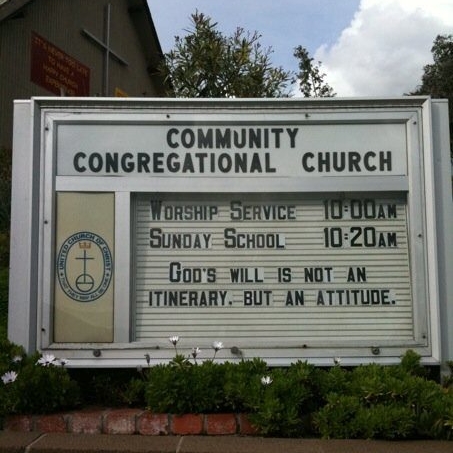
Community Congregational Church UCC
Creation Care in Action
Community Congregational Church UCC in Benicia, California, wanted to demonstrate their commitment to Creation Care — and to its energy savings — so they wanted to switch to solar power and energy storage.
NEED
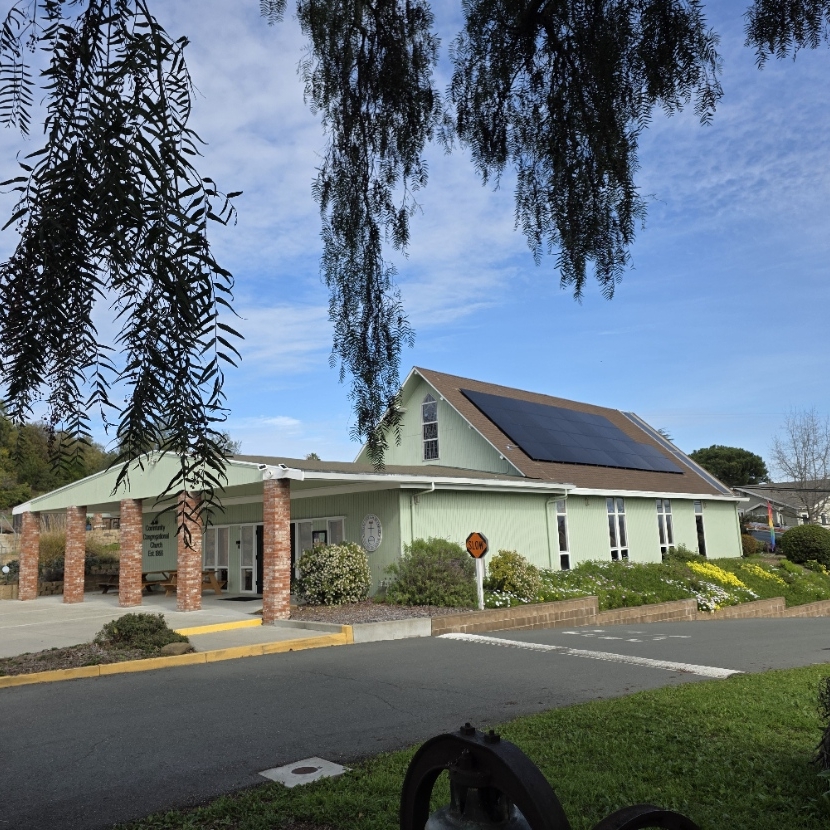
Community Congregational UCC saw its electricity bills rising steadily as well as its congregation's commitment to Creation Care. They decided to install solar panels and a Tesla Powerwall energy storage system.
CALLING
Community Congregational UCC is called to Creation Care initiatives because of their concern for the earth, lower energy bills, and wanting to demonstrate the ease of clean energy installation to their city.
God Math
The Cornerstone Fund’s Creation Care loan for $63,122 helped the congregation install solar panels on the building’s roof. They’re now saving thousands of dollars and are averaging 72% solar-powered electricity since February 2026. The Tesla Powerwall is also allowing them to keep energy in storage in the case of emergency outages.
Click here to learn more about our Creation Care Investment and Loan Program.
“Thank you to the Cornerstone Fund for all your help in securing the approval of our application and in facilitating the timely disbursement of the loan funds for our solar panel project at Community Congregational Church UCC of Benicia. We are truly grateful for your responsiveness and efficiency in bringing this project to fruition. We are especially appreciative of the Creation Care Loan program and Cornerstone Fund’s support of environmentally conscious faith communities.“
– Dale Olm, Community Congregational UCC church treasurer
Congregational United Church of Christ
A Lasting Legacy Thanks to Covenant and Collaboration
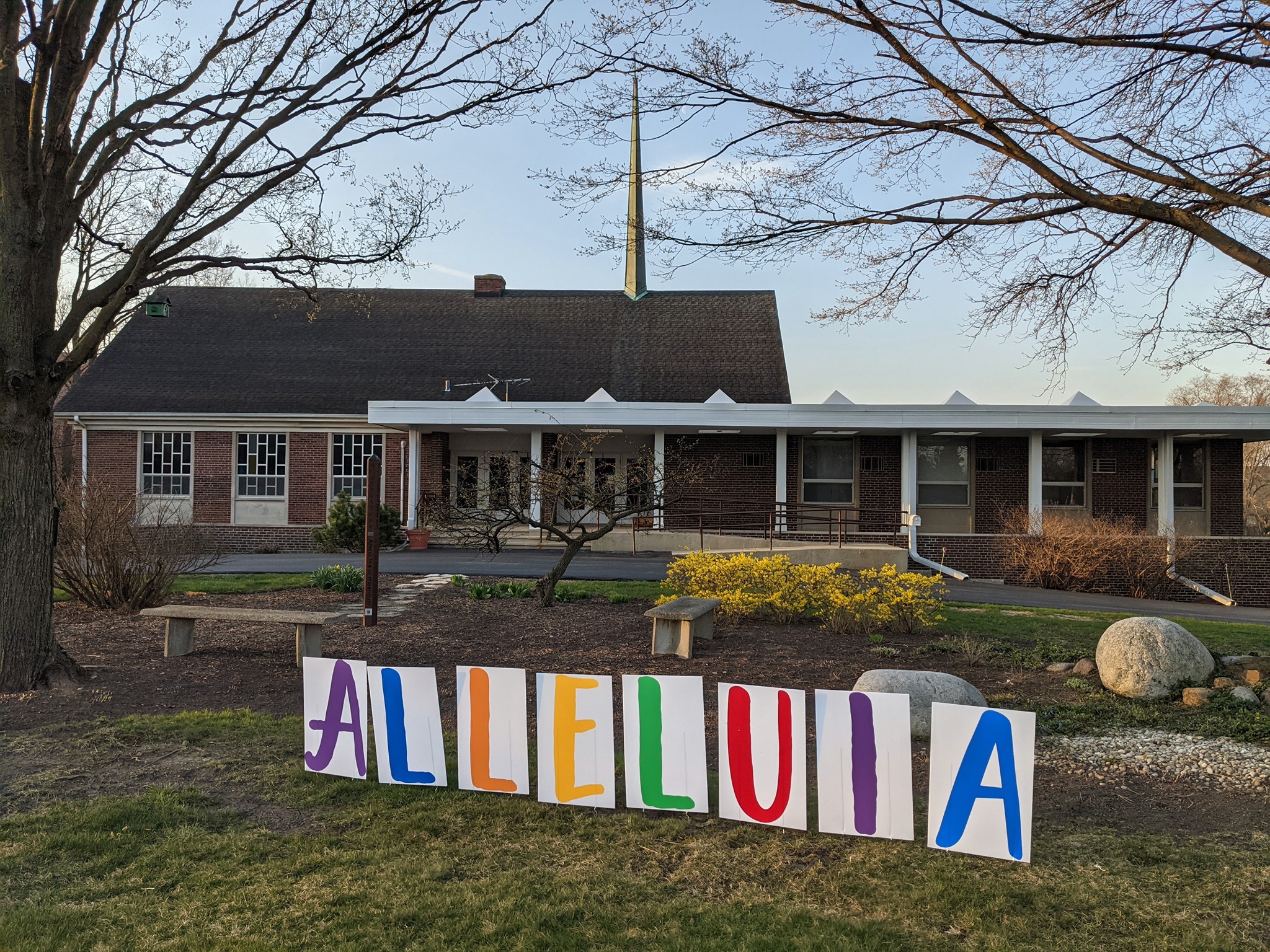
When the Congregational United Church of Christ of Arlington Heights, Illinois was deciding on its future several years ago, the church found itself with few options. Members of the church were discerning that it was perhaps time to consider closure, but they were also discerning how best to honor their legacy as a faithful and generous congregation.
As a new church start in the late 1950s, the congregation’s identity was deeply rooted in community and missional support. “We’ve been mission-focused throughout our history,” said church board member Jeff Pattee.
The church property was situated on 2.5 acres next to a large hospital complex, which had used the church parking lot for years and then bought the property in April 2024. During the time it took for the sale to be completed, the congregation met numerous times to discuss the future.
 In addition to considering legacy, the logistical process of closing a church is complicated and can often feel overwhelming. “Closing is a very difficult and emotional time for church leadership and there are many details to attend to,” said Rebecca Perera, Vice President and Chief of Credit for the Cornerstone Fund.
Thankfully the United Church of Christ financial ministries are able to help. First, the congregation reached out to United Church Funds and then the Cornerstone Fund for support.
“UCF was originally approached by the church through referral based on UCF’s previous experience guiding churches through the process of creating a legacy endowment,” said Matt Wagner, UCF’s Vice President of Institutional Relationships. “In consultation with church leadership, a portion of the legacy endowment would be invested in Cornerstone Fund’s term notes at the discretion of UCF and in alignment with the asset allocation plan in the legacy agreement.”
Additionally, the church was concerned about the continuing financial obligations it would have through the closing process, especially given that they were involved in a major commercial real estate transaction with a large entity. The church was relieved to learn that the Cornerstone Fund could provide a line of credit to the church which could be used to pay for utility bills, legal fees, and other final costs, giving the leadership peace of mind and the ability to manage the church’s affairs without the stress of wondering how to pay. “Cornerstone is ready to support churches in all phases of the church life cycle,” said Cornerstone Fund’s Rebecca Perera.
In the end, due to the sale of the church being moved closer to their closure date, Congregational UCC ended up not needing the line of credit, but knowing it was available relieved a great deal of stress.
Relieved of the logistical stress, the congregation could turn all of their attention to considering the distribution of their assets and the legacy they would leave. “We weren’t going to merge with another church, so we decided to build a legacy endowment with a 20-year life cycle,” said Pattee. “We decided to use half of our assets for immediate grants to agencies we’ve long supported – 23 agencies received that support — and we wanted to use the other half to build an endowment for long-term funding of those agencies.”
This type of endowment, offered by United Church Funds and the Cornerstone Fund, was exactly what the congregation wanted. Rather than giving a one-time donation to the organizations they support, they worked with UCF and Cornerstone to structure a legacy plan so that their preferred agencies get gifts every year for 20 years.
UCF and the Cornerstone Fund also solved one of the church’s first worries about the function of their endowment.
 “Most places we researched (to manage the funds) required involvement from a church member as a trustee of the funds,” said church board member Tom Harris. “We were looking to separate and not have that responsibility – as we were also in the grieving process of saying goodbye of our beloved church.”
UCF and the Cornerstone Fund would manage the funds for the full cycle, requiring no long-term involvement from former church members.
Pattee, Harris, and the entire congregation loved that feature, but the first reason was that their values aligned with UCF’s and the Cornerstone Fund’s. The congregation appreciated that their remaining funds would help other churches and faith-based projects create change in their communities via Cornerstone Fund lending.
“We especially like how Cornerstone Fund investments can support new church starts – that’s what we were back in the 1950s,” said Pattee. “If we can use our money to help someone start a new church, what better legacy is that?”
United Church Funds (UCF) is the leading provider of socially responsible, values-aligned investment management services to United Church of Christ churches and ministries, as well as all faith-based organizations. They offer customized investment portfolios and prudent investment strategies that provide competitive returns while also reflecting their clients’ values in seeking to achieve a just world. UCF also offers endowment governance consulting, planned giving programs and superior, personalized service from their dedicated Client Services team. Learn more at www.ucfunds.org.
The Cornerstone Fund is a non-profit financial institution that offers faith-based and socially responsible investments – which allows them to offer loans directly to churches and faith-based, non-profit organizations to create change in their communities. Their investing program offers an opportunity for individuals and organizations to take part in projects ranging from worship space renovations to transitional housing developments and everything in between.
The Cornerstone Fund offers resources when deciding your legacy, or the legacy of your church. Learn more: cornerstonefund.org/legacy
Start Right Community Development Corporation
Building Homes for Neighbors in Need
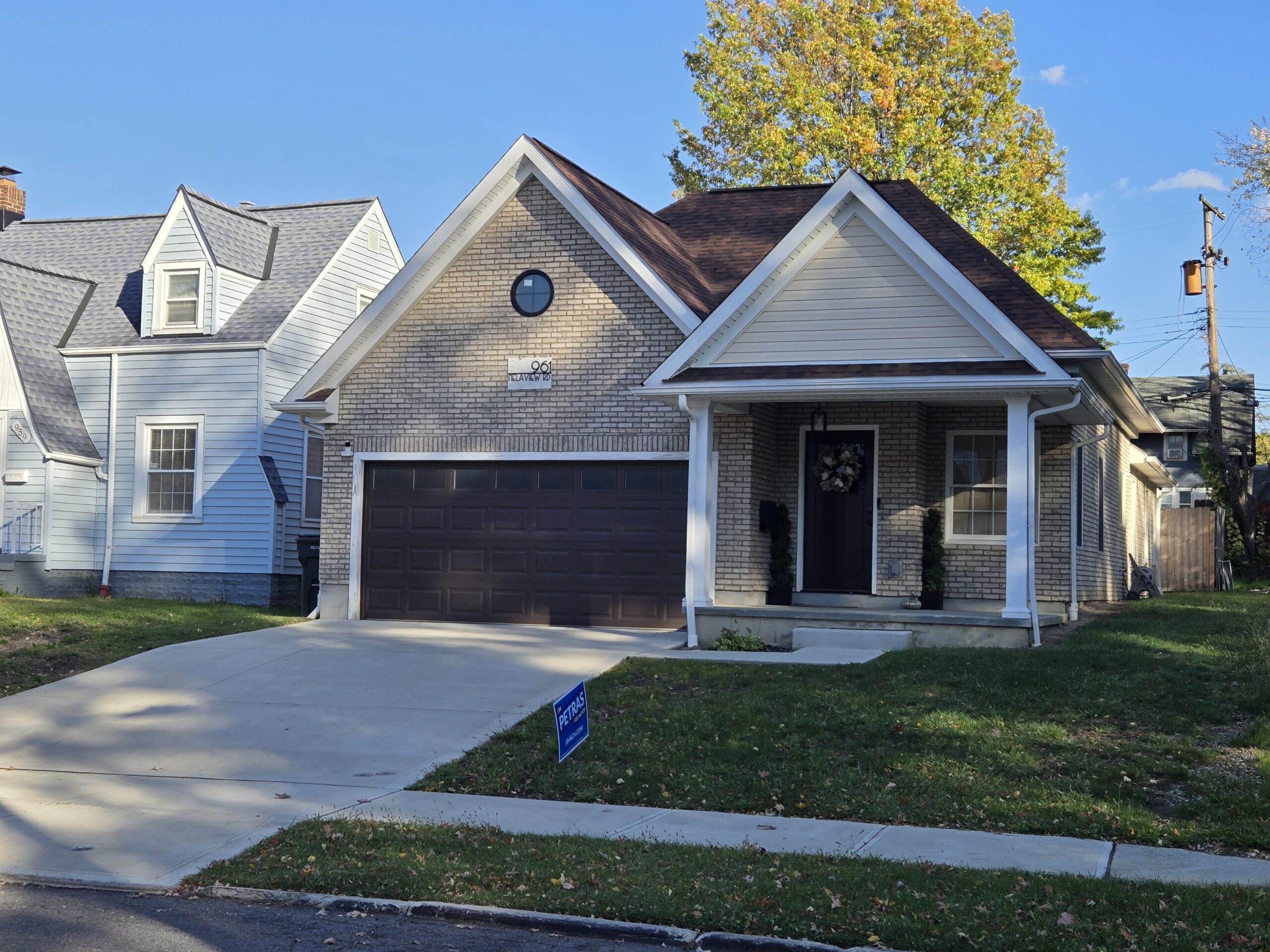
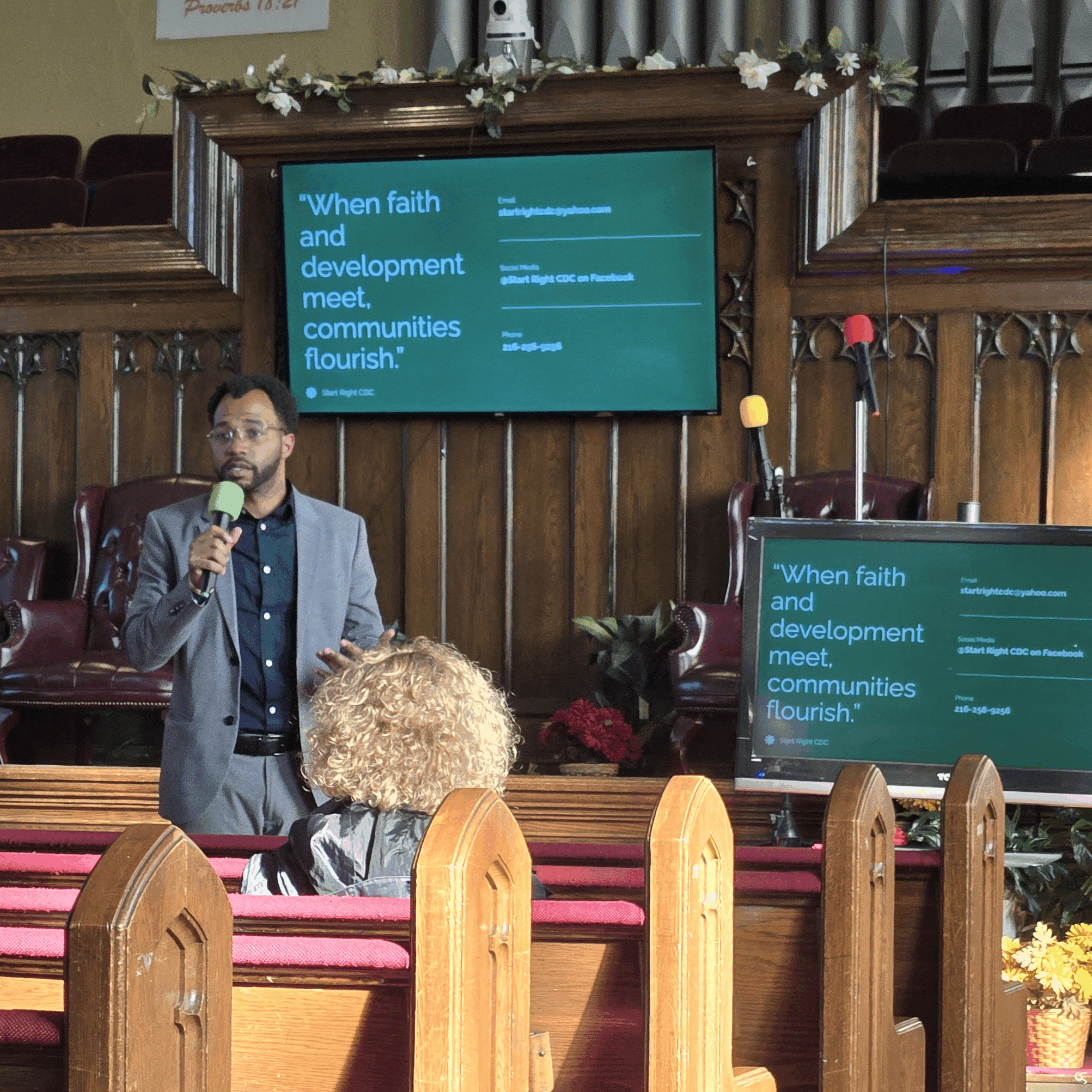
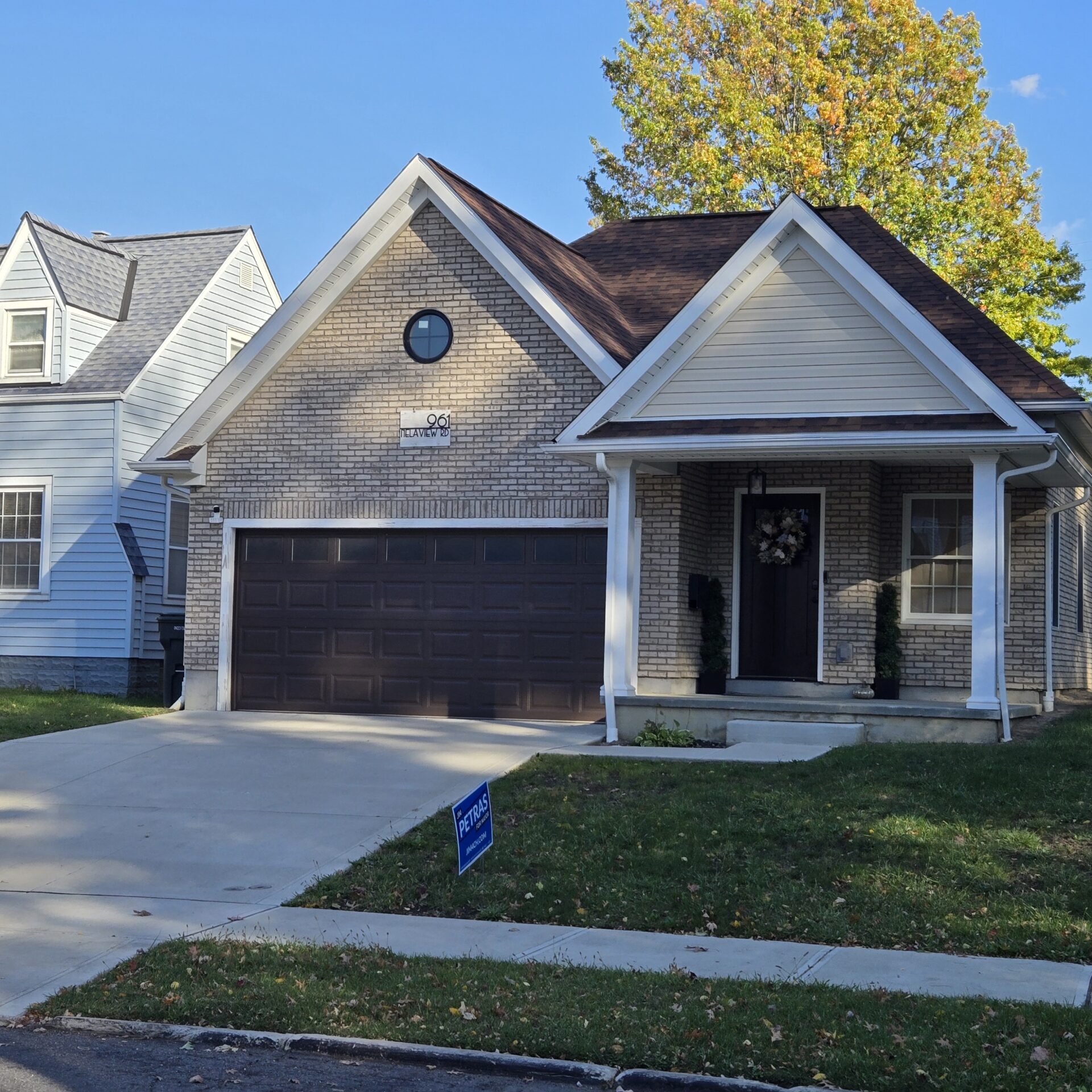
Start Right Community Development Corporation is an off-shoot of the Start Right Church in the Caledonia neighborhood of Cleveland Heights, Ohio. The organization assists the neighborhood by addressing hunger and housing. Its Good Neighbor housing rehab program has renovated 11 homes to date, with 7 properties currently under renovation. The organization is continuing with its Caledonia Homes program, which builds new homes as in-fill projects in the long-neglected neighborhood.
NEED
Start Right CDC plans to build more homes in the neighborhood, but their latest home build ran into an issue when federal funds were redirected to its Good Neighbor program instead.
CALLING
Start Right CDC is building new homes to create affordable housing for current residents of the Caledonia neighborhood.
God Math
A line of credit with the Cornerstone Fund is allowing Start Right CDC to move ahead with its housing construction. The organization aims to build more than 20 additional homes in Caledonia in the coming years.
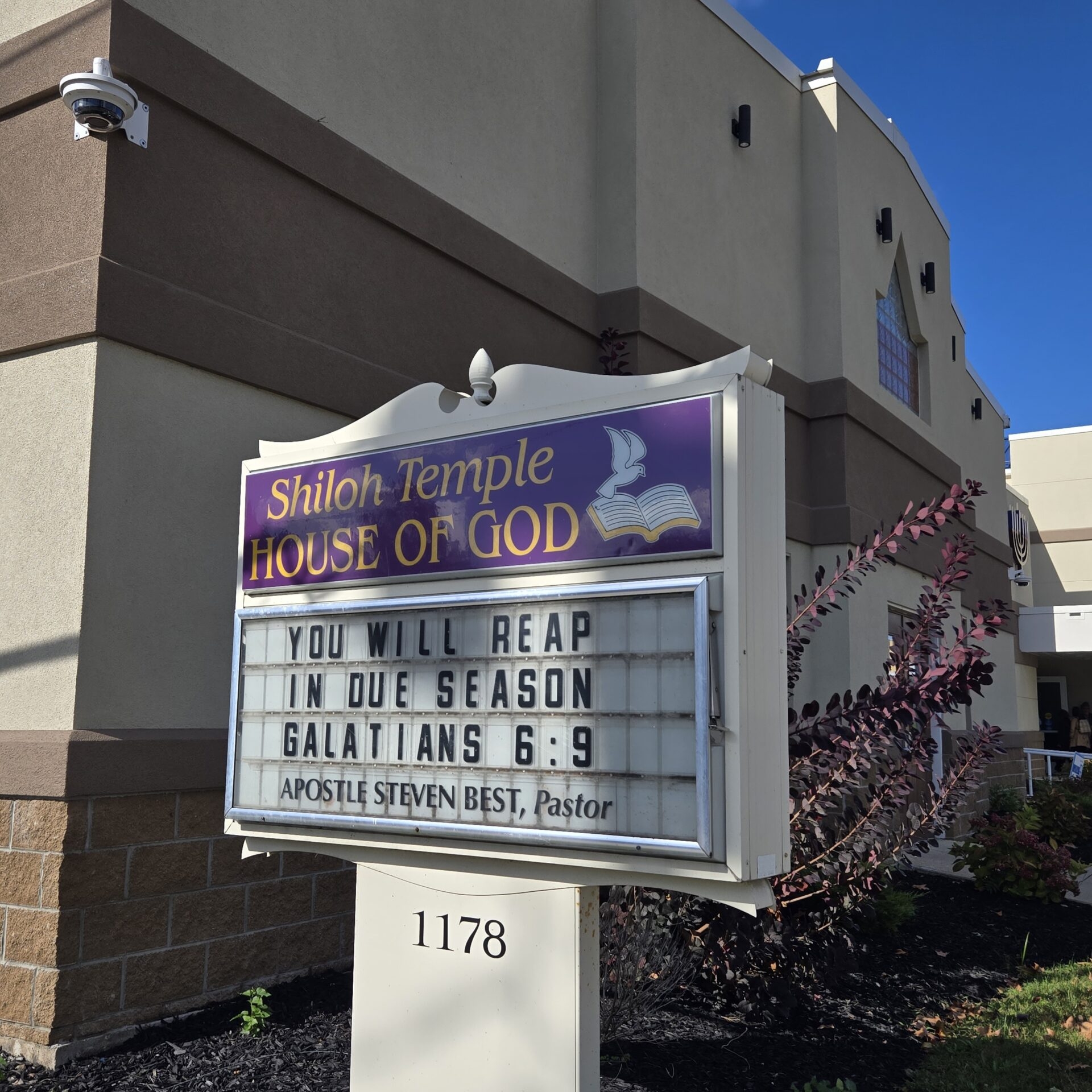
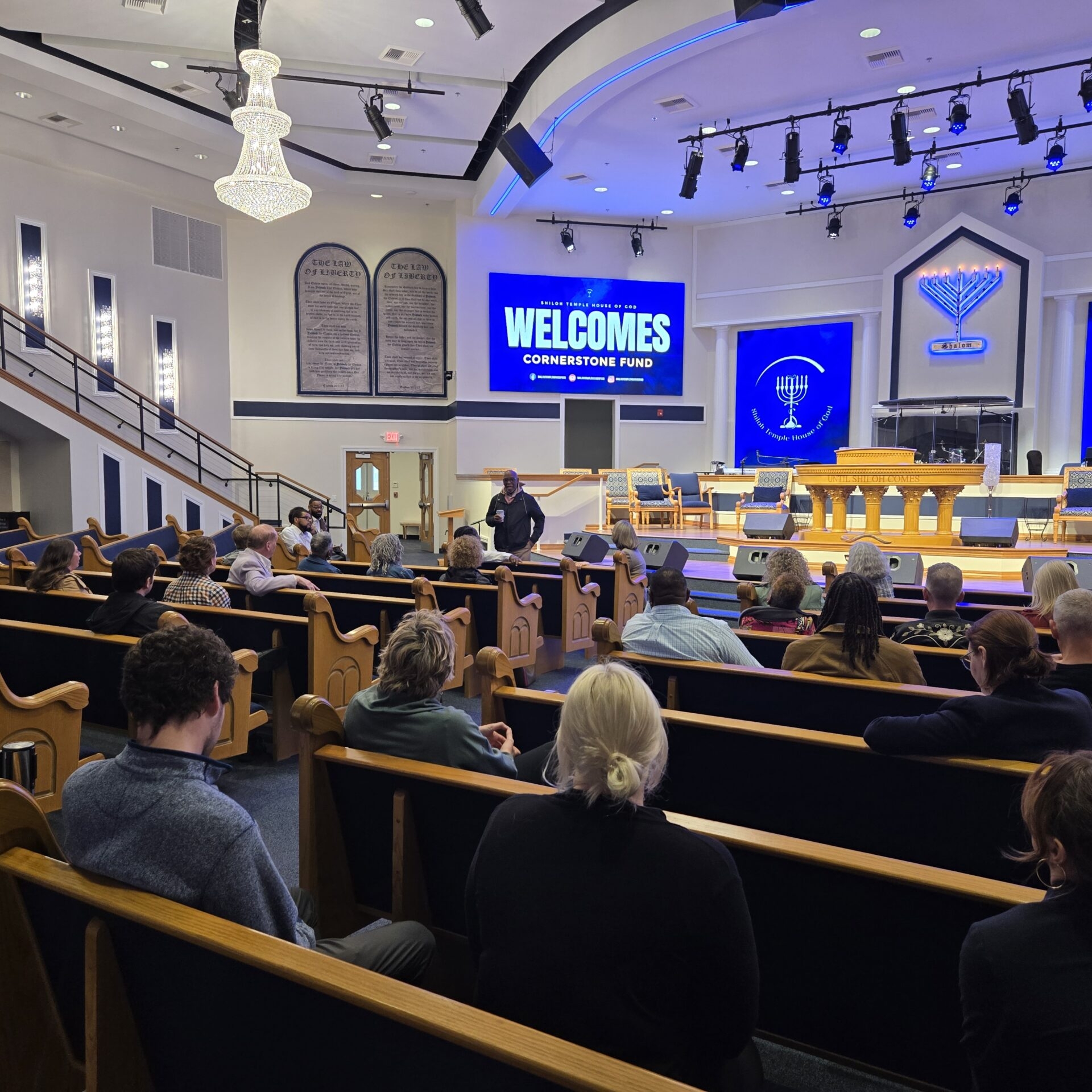
Shiloh Temple House of God
Expanding Worship and Community Outreach
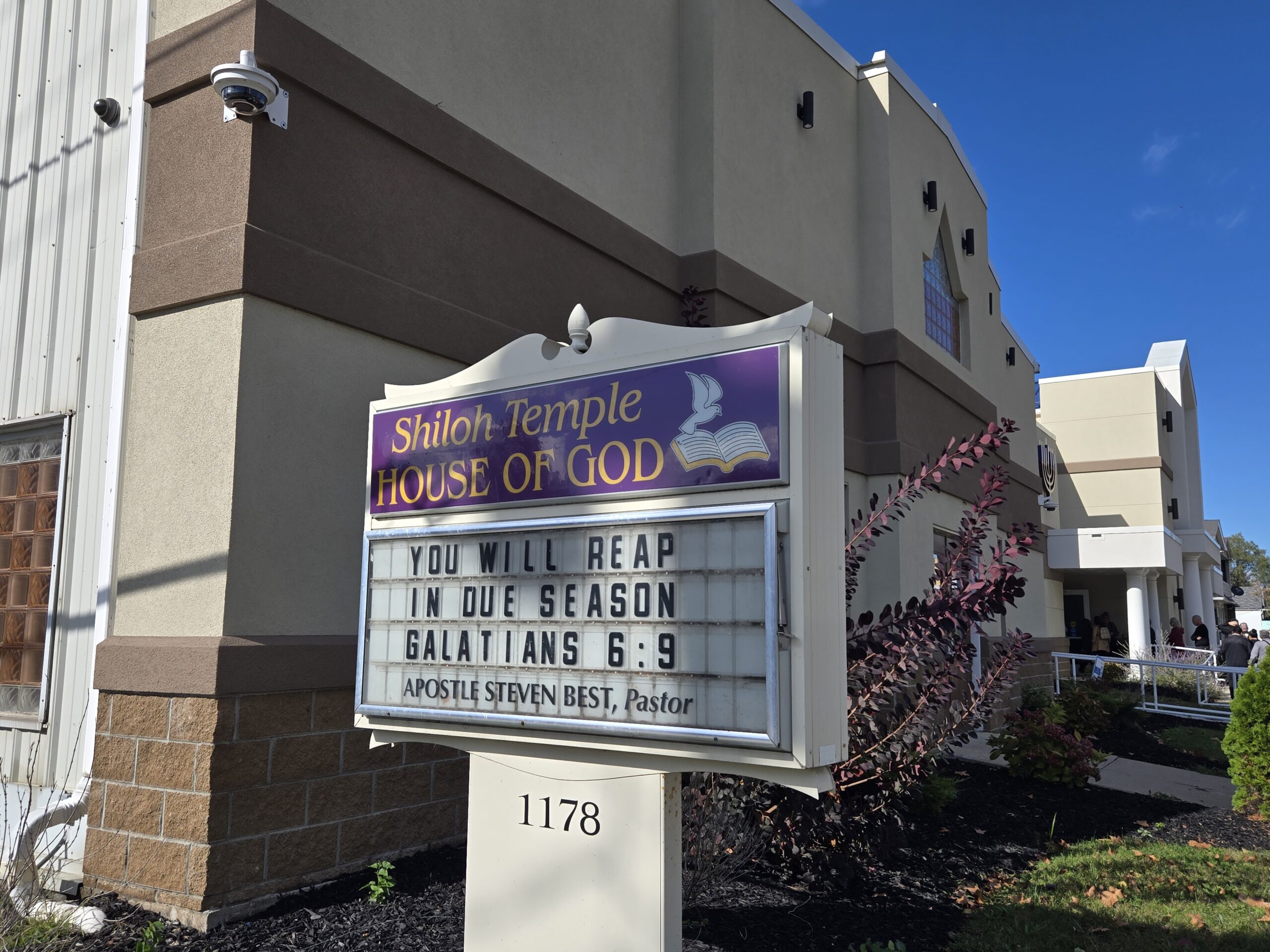
Shiloh Temple House of God in Cleveland, Ohio is a church offering numerous services for its congregation and the surrounding community, including after-school programs, summer youth programs, food distribution, and healthcare guidance in partnership with nearby hospitals. Some 40% of neighborhood residents live below the line.
NEED
Shiloh’s congregation was outgrowing its building both in membership numbers and in community services. They needed space for a growing congregation to worship and help the neighborhood.
CALLING
The congregation’s dream was to build a bigger facility next to the current building to house a much larger sanctuary and allow them to continue offering critical services to the neighborhood.
God Math
Thanks to Cornerstone Fund investors, a loan of $5,215,000 helped Shiloh Temple House of God build the new facility – which boasts a large sanctuary, library, and offices. The old church building was transformed into a banquet hall and rooms for community and church use.
“(The Cornerstone Fund) understood where we were coming from….It was absolutely wonderful working with them and I would recommend them to anybody.”
— Apostle Steven L. Best, Sr., pastor of Shiloh Temple House of God.
Hoyleton Youth and Family Services
Helping Kids In Need
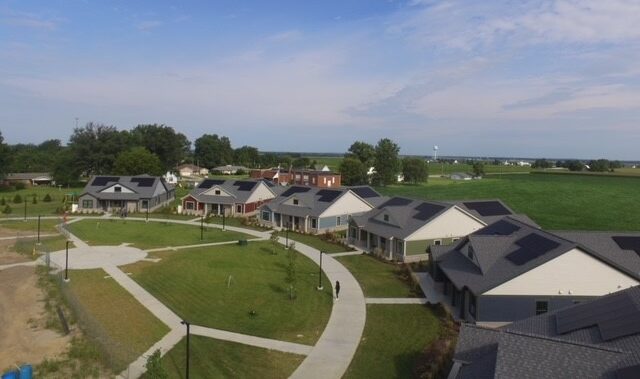
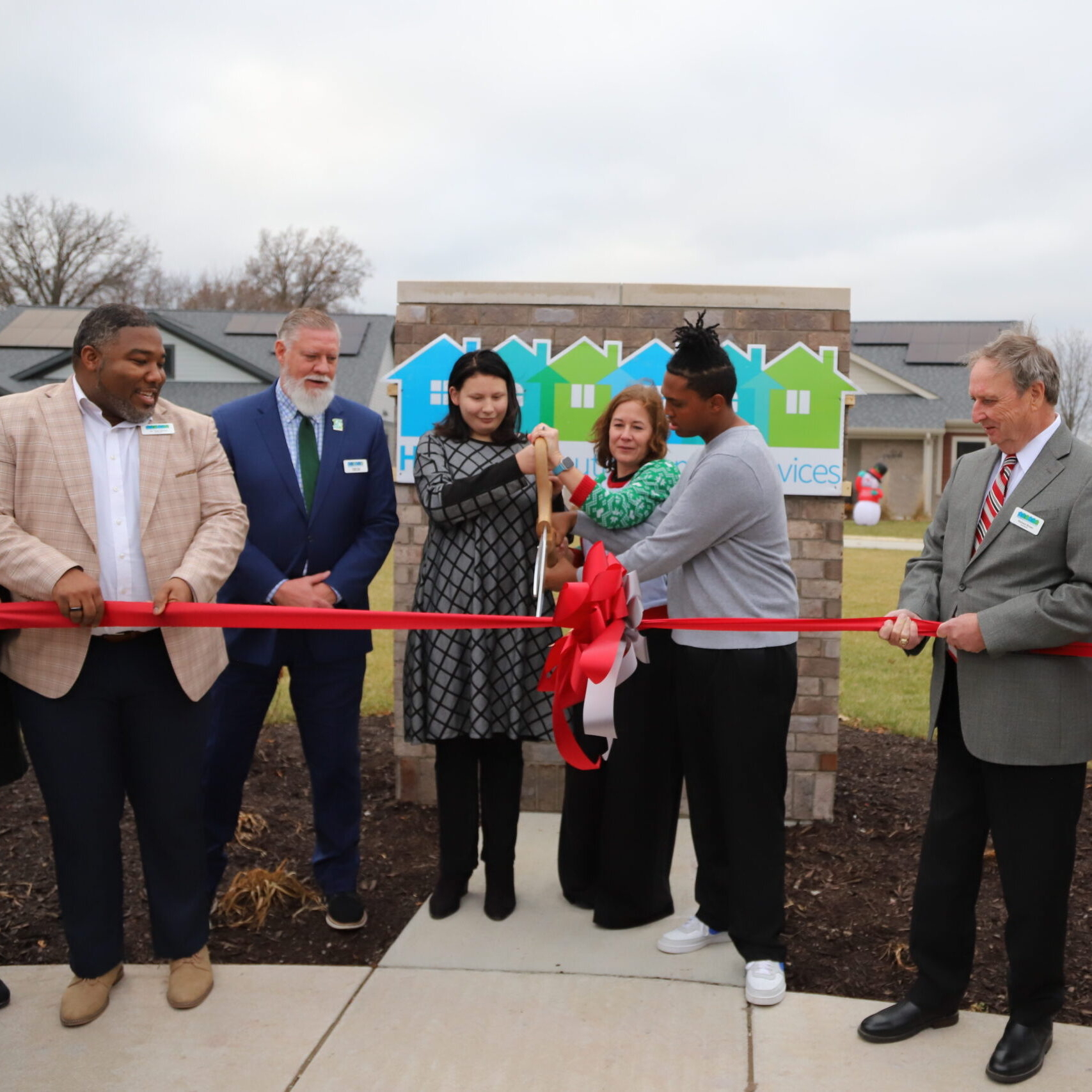
Hoyleton Youth and Family Services in Fairview Heights, Illinois, is a residential treatment program for children and adolescents as well as a transitional living for older adolescents with developmental disabilities who may also have severe emotional and behavioral problems. The organization is the single largest residential care provider in the state for children diagnosed with intellectual disabilities and mental illness. Hoyleton can attest that given the right care, even children in worst case scenarios can experience remarkable growth and recovery.
NEED
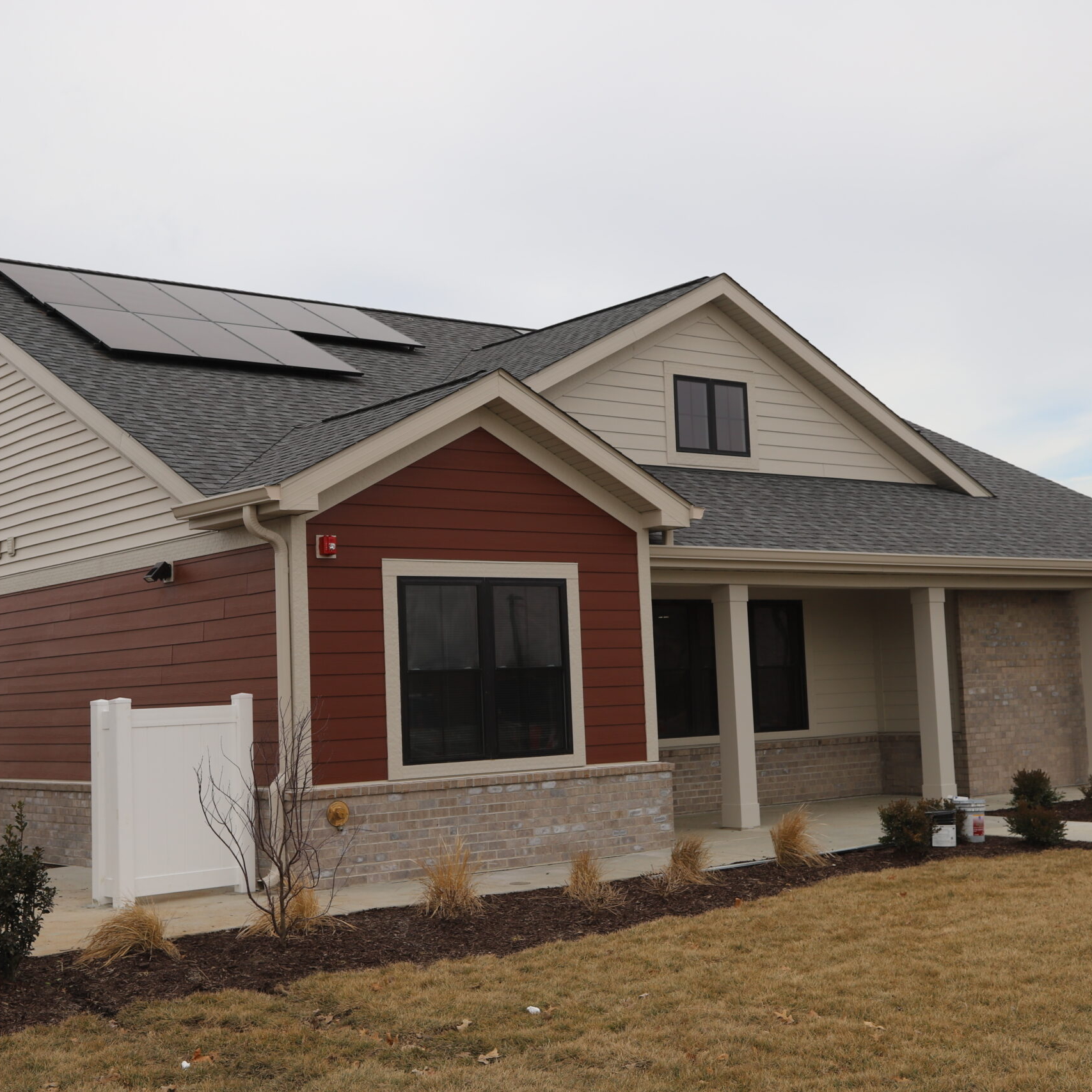
Hoyleton’s five residential cottages were grossly outdated. The oldest cottage was built in 1915 and the newest in 1995. While the cottages have been maintained and updated (roofs, flooring, etc.) they were largely in their original form—outdated and not built for their current use.
CALLING
Hoyleton’s facilities were unable to accommodate Illinois Department of Children and Family Service’s need for more therapeutic beds for this population of youth. The organization saw the need for updated and safe facilities for their patients and dedicated themselves to building six new cottages.
God Math
A Cornerstone Fund loan of $5.5 million helped Hoyleton meet the need and build the new cottages. These new buildings that are suitably designed for children and adolescents will lead to a shorter stay in therapeutic care. With the new facilities, Hoyleton expects to reduce the average stay from 17.5 to 12 months or less, and the anticipated result is that more than 70 children will be served on an annual basis.
“Cornerstone’s guidance and assistance were instrumental in transforming a long-held dream into reality. I can’t envision a more ideal partner to have worked with.”
— Chris L. Cox, President and CEO of Hoyleton Family and Youth Services.