
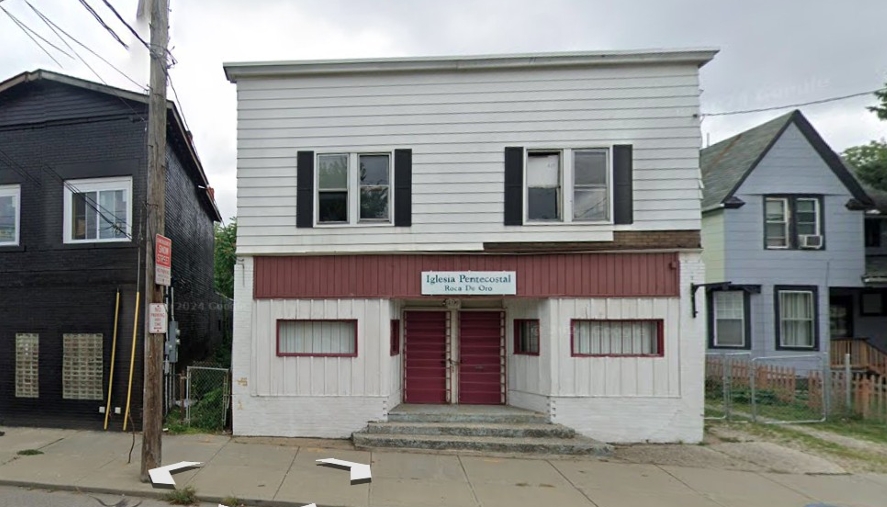
Monte Hebron Ciudad de Refugio
Renovations Will Allow Cleveland Church to Continue Thriving
Monte Hebron Ciudad de Refugio is a fast-growing congregation in the Brooklyn Centre neighborhood of Cleveland. The church serves the community in multiple ways – from feeding the local unhoused population, to holding back-to-school fairs to provide neighborhood kids with school supplies, and more.
NEED
Monte Hebron recently purchased its current building, but it was in need of major renovations. After replacing the roof, the congregation set its sights on much-needed cleaning and upgrades.


CALLING
Monte Hebron doesn't limit its service to just its own congregation. They serve as helpers to the entire neighborhood and knew their building required major repairs to continue that mission.
Impact
Thanks to Cornerstone Fund investors, we were able to offer them a $35,900 construction loan and a $64,100 refinancing building acquisition loan in order to complete the building’s major renovations.


Church of the Isles United Church of Christ
Repairing a Church After Two Hurricanes
Church of the Isles United Church of Christ in Indian Rocks Beach, Florida, is home to a congregation committed to the local community via its worship services, feeding program, and thrift store. Unfortunately, hurricanes Helene and Milton in 2024 severely damaged their property and destroyed all building contents, causing them to close for major repairs.
NEED
An eight-foot storm surge from Hurricane Helene and then wind damage from Hurricane Milton shortly after caused significant damage to Church of the Isles' building. The congregation needed help rebuilding.


GOAL
The congregation wanted to return to its important place in the Indian Rocks Beach community.
"Church of the Isles has a living ministry as a spiritual home for many and as a community involved in its wider setting. The church is well known for its ministry and service as it partners with others in the community to change and heal lives," said Rev. Nayiri Karjian, interim conference minister when the hurricane hit.
Impact
Thanks to a Cornerstone Fund Disaster Care loan, Church of the Isles was able to repair its building and replace lost belongings. It’s now open to the community again for worship services, a thrift store, and meetings.
Learn more about the recovery process at Church of the Isles in these articles from the national news desk of the United Church of Christ:
“Florida UCC Churches Organize Helping Hands in Wake of Recent Hurricanes”
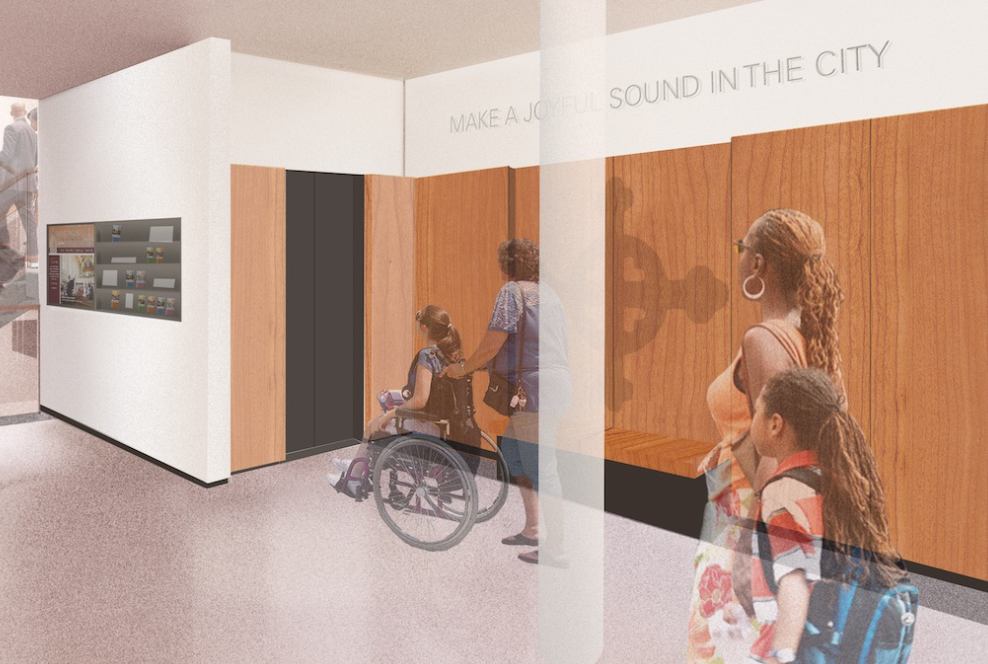
Making Spaces Welcoming, Inclusive, and Accessible
Every person deserves a place where they are welcomed, valued, and able to fully participate in the life of their community.
The Cornerstone Fund offers financing to help churches and non-profit organizations address a range of building-related needs, including accessibility improvements to support inclusion of people in all aspects of your mission. The Cornerstone Fund offers a variety of financing options for building accessibility improvements, including:
- Elevators
- Ramps
- Accessible bathrooms
- Sensory rooms
- Technology for hearing & visually impaired persons
- Other building modifications
We couldn't do this without our investors! Here are a few project examples we've helped finance to make spaces more welcoming, inclusive, and accessible for everyone.

Sixth Avenue United Church of Christ - Denver, Colorado
Sixth Avenue United Church of Christ's building was constructed in 1923 and despite its 100 years of service and its mission of welcoming the community, the building never had a wheelchair-accessible bathroom. The congregation was aware that not only did this exclude members of its own parish life, but it also limited many rental events such as weddings and recitals. They watched for years as those events went elsewhere because of the lack of an accessible bathroom at Sixth Avenue UCC. What's more, many businesses and nonprofit organizations are barred by their policies from holding events where there is no accessible bathroom. Sixth Avenue UCC knew that the addition of an accessible bathroom would allow them to better serve the entire community.
Thanks to our investors, the Cornerstone Fund helped the church finance the construction of a new accessible bathroom - seen in the photo above.
------------------------------------------------------------------
Faith United Church of Christ - New Braunfels, Texas
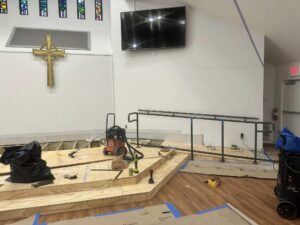
Faith United Church of Christ in New Braunfels, Texas, provides a central fellowship location for the community, as well as a home for its outreach efforts around local and national social justice issues. Aging and inaccessible facilities, however, impeded their core mission of being a welcoming congregation committed to social action.
Thanks to our investors, the Cornerstone Fund helped finance the church's renovation of the sanctuary to include a ramp to the stage/altar space and flexible, accessible seating.
------------------------------------------------------------------
St. Pauls United Church of Christ - Chicago, Illinois
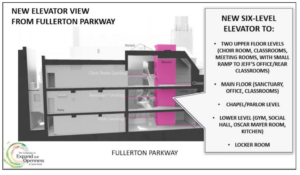
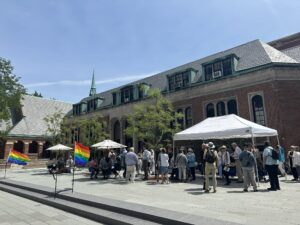
One of the five oldest churches in Chicago, St. Pauls' aged building lacked the infrastructure that would make it fully accessible and welcoming to everyone in the congregation and the community at large. In 2020, the congregation embarked on its "Creating Accessibility for All' plan, which included installing a five-stop elevator that would make the facility usable for people of all abilities, as well as redesigning and constructing a new and accessible courtyard space where numerous church and community events take place.
Thanks to our investors, the Cornerstone Fund helped finance the church's major renovations, and the congregation unveiled the changes in the fall of 2025.
Thank you, investors!
We’re grateful for the role you play in helping churches create more welcoming and accessible spaces where all people can participate fully.
Insurance Board Solar Resources
Heather Moyer
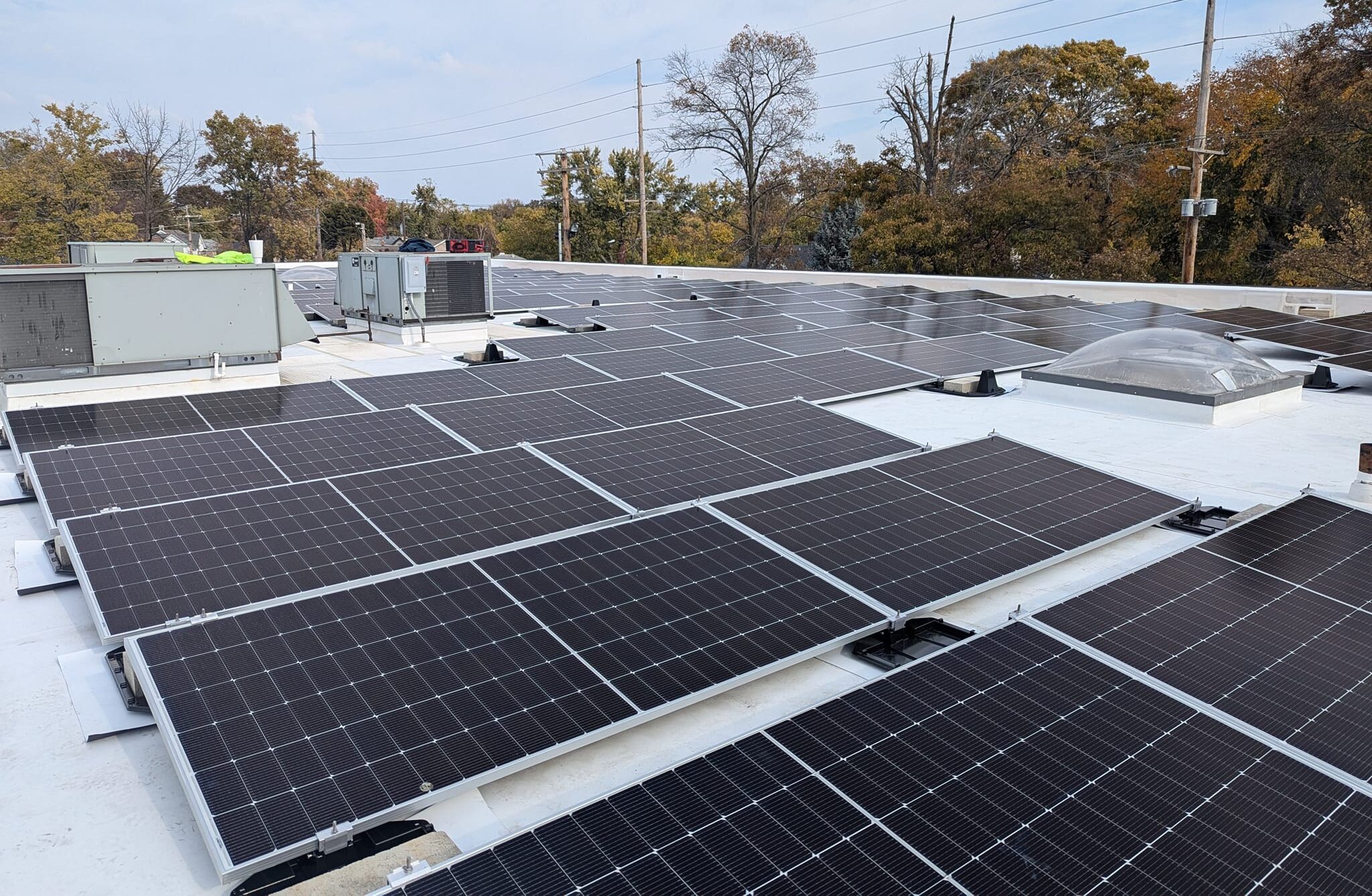
The Insurance Board’s Summer 2026 Newsletter is full of resources for churches that want to install solar panels.
Redress and Reconciliation at The Pūʻā Foundation
Written by David Pate, Cornerstone Fund Loan Portfolio Assistant.
Reconciliation is at the heart of the Gospel and is a value close to the United Church of Christ’s heart. It was from this that the UCC started the Redress and Reconciliation Initiative—an apology for the UCC’s ancestral denomination’s complicity in the 1893 overthrow of the Hawaiian Government. In the early 19th century, Congregational Churches who would later go on to help form the UCC, sent missionaries to Hawaii to plant churches and spread literacy.
While the overthrow was not formally planned or executed by these missionaries, they helped set the stage for it by introducing western legal systems, private land ownership, and aligning their cultural and political alignment with US interests.
Nearly a century and a half after the overthrow, the dwindling native populations continue to see their culture and land washed away. Today, private landownership deeply restricts native access to the resources that once sustained their ancestors.

In a direct response to this and the other consequences of the ancestral compliance with the overthrow, the UCC made a formal statement of apology for its complicity in 1993—but did not stop at words. In 1996, The Pūʻā Foundation was created out of the UCC’s Apology, Redress, &and Reconciliation Initiative.
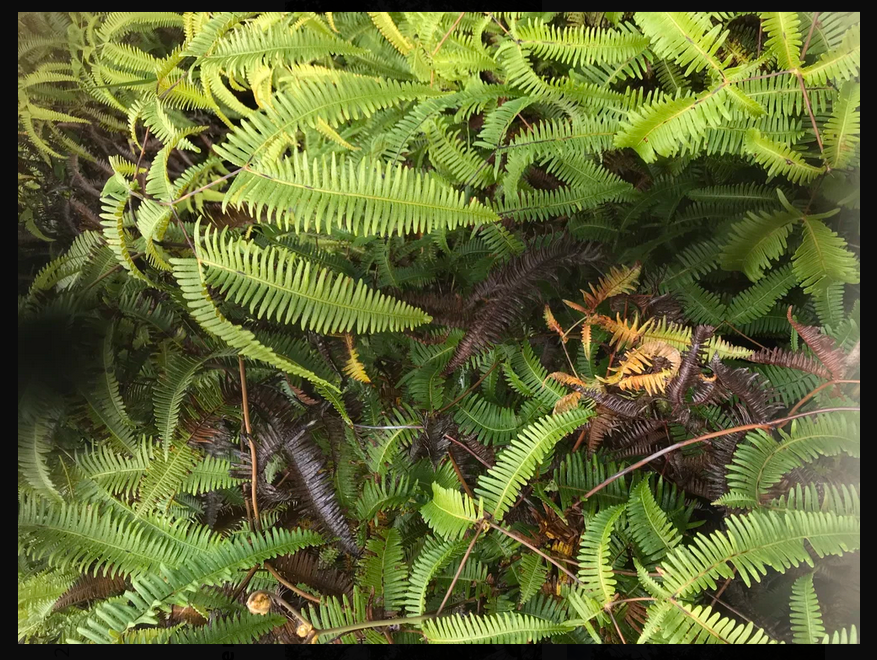
The Pūʻā Foundation addresses the root causes of social issues and helps promote cultural preservation and resilience. Their work includes reconnecting families with traditional Hawaiian produce, medicinal plants and agricultural practices, as well as programs aimed at increasing economic self-sufficiency for Native Hawaiian women and families, preserving Native Hawaiian culture through educational programs, community workshops, and cultural events. The Pūʻā Foundation is a strong advocate addressing systemic inequalities and promoting policies that benefit Native Hawaiians and other marginalized groups.
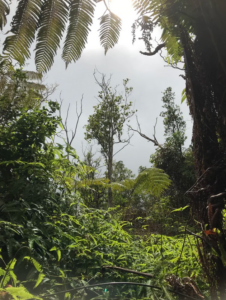
When, in 2024, The Pūʻā Foundation reached out to the Cornerstone Fund for help to acquire and improve property for agricultural activities related to its stewardship of the Punahoa Heritage Forest, it was not only a privilege but a duty to step in and answer the call. Lending $500,000.00, the Cornerstone Fund has helped The Pūʻā Foundation expand its impact and reach allowing it to continue to allow Hawaiians to learn about their heritage and experience culturally rejuvenating gatherings.
The UCC and Cornerstone Fund understand that reconciliation is not a one-time obligation, but an ongoing commitment to support a community’s advancement. We are proud of our partnership with The Pūʻā Foundation and their commitment to justice. The Cornerstone Fund looks forward to the completed project and seeing the amazing impact to come from it.


Toward Right Relationship: Advancing Energy Sovereignty Through Partnership
Written by staff at Sunsource. May 6, 2026.
Leaders from the United Church of Christ Cornerstone Fund and Grey Snow Sovereign Solutions recently gathered at SolarTAC, a groundbreaking solar training and installation facility owned by the Iowa Tribe of Kansas and Nebraska. The visit marked a meaningful step in deepening relationships and shared commitments to environmental justice, Indigenous sovereignty, and sustainable futures.
The day began in a spirit of reverence and connection. Michelle Weaver, an Iowa tribal member and Gray Snow Sovereign Solutions Community Engagement and Executive Operations Lead, opened with prayer and offered testimony, presenting tobacco to Cornerstone Fund President & CEO Maria Coyne —a gesture of respect, gratitude, and relational accountability rooted in Indigenous tradition. This moment grounded the gathering in a shared understanding: this work is not only technical or financial, but deeply spiritual and relational.
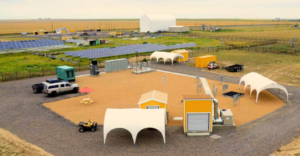 SolarTAC stands as a powerful example of energy sovereignty in practice. Through Grey Snow’s partnership with tribal nations, the facility serves not only as a hub for solar development but also as a training center where tribal members gain the skills to design, build, and maintain their own energy systems. This model ensures that communities are not just recipients of clean energy but owners and leaders in its development.
During the visit, Pastor Casey, an ordained minister in the UCC, and Director of Community Outreach and Impact at Sunsource (Grey Snow’s sister company that serves and partners with Tribal Nations to become energy independent) reflected on the role of the church in this moment by inviting the UCC to a renewed commitment to justice and relationship. “What does the right relationship look like in healing our past and honoring a brighter future for us all?” he asked. His words invited participants to consider how faith communities can move beyond historic harm toward tangible acts of repair and solidarity.
The United Church of Christ has long wrestled with its historical entanglements in the colonization of Turtle Island. Today, initiatives like the Cornerstone Fund’s low-cost financing for tribal energy projects represent a shift to support Indigenous-led solutions and invest in a more just and sustainable future.
Both Grey Snow and the Cornerstone Fund expressed excitement about expanding their collaboration. Together, they are helping to create pathways for tribal nations to achieve true energy sovereignty—where power is not only generated locally, but governed, maintained, and sustained by the communities themselves.
This gathering at SolarTAC was more than a site visit. It was a step toward the right relationship—one rooted in listening, learning, and walking forward together.

2025 Annual Impact Report
Heather Moyer
Our theme for this impact report is Good Soil, not only because we launched a new joint financing project of the same name with Trinity Church in New York, but because the Cornerstone Fund helps create the rich, fertile “soil” from which so many church and non-profit program “seeds” sprout nationwide.
How We Made an Impact in 2025
At the Cornerstone Fund, we know that when individuals and organizations come together to invest with purpose, they become a powerful force for good — and 2025 was a great example.
We thank you for an impactful 2025! We’re excited to see what the remainder of 2026 brings for the Cornerstone Fund and our clients.
You can download the report below or see it to the left.

Rev. Kimberly Wood, Vice President & Chief Relationship Officer
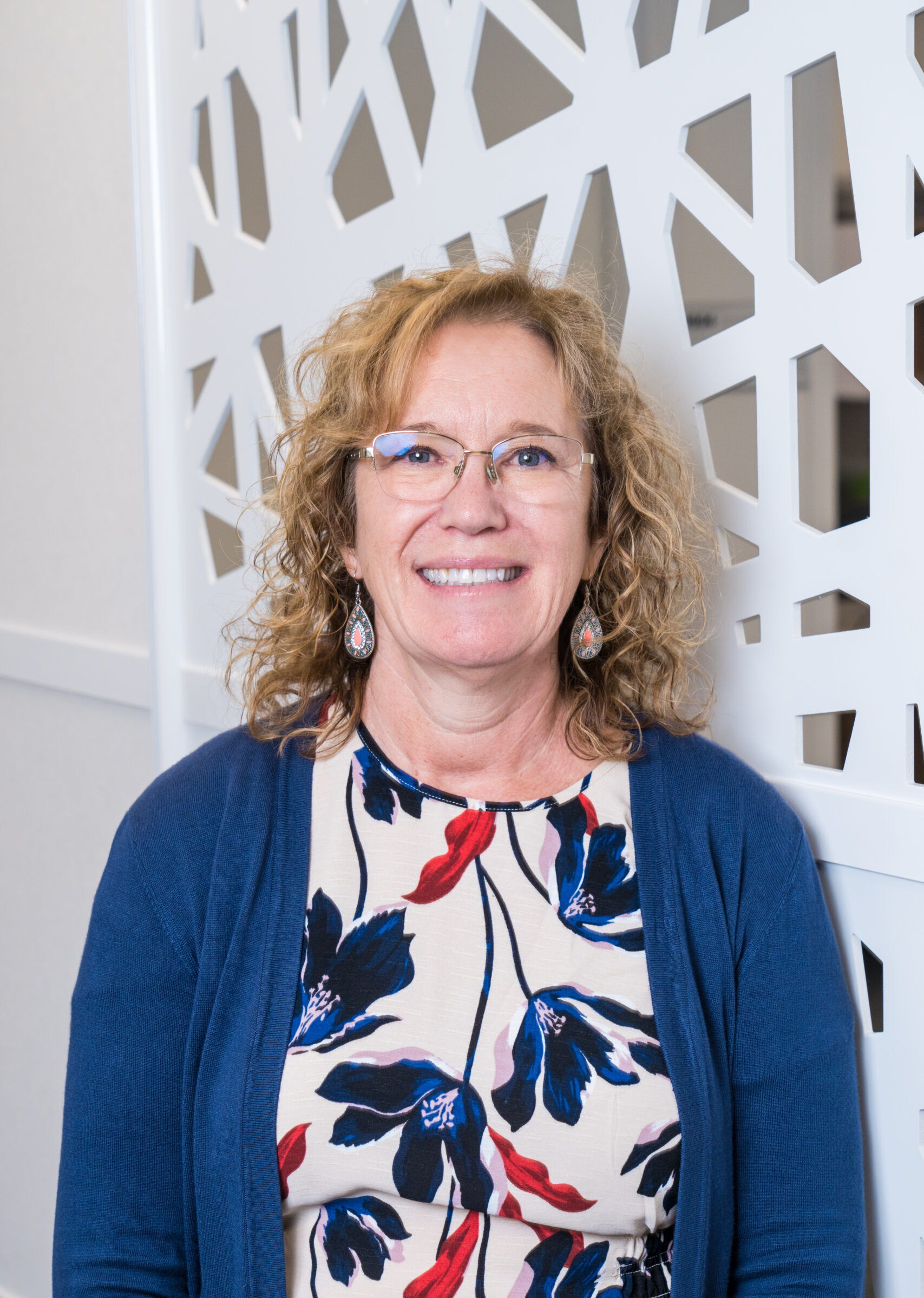
Rev. Kimberly Wood comes to the Cornerstone Fund after serving as the Conference Minister of the Southeast Conference of the United Church of Christ. She earned her Bachelor of Social Work degree from Aurora University and her Master of Divinity from Bethany Theological Seminary. Kim has served as an associate minister, a solo pastor, a head of staff/senior minister, and a bridge pastor, and she is experienced in both settled and intentional interim ministry. She has worked extensively with congregations in transition, conflict resolution, and revitalization in suburban/urban and rural settings. Kim and her spouse, Ron, celebrate the gift God has given them in a beautiful family that includes four children, their spouses/significant others, and two adorable grandchildren. Kim enjoys music, reading, sports, history, and story, learning about other faith traditions, visiting new places and landscapes, game nights with family and friends, and meeting people wherever she might be.

Cornerstone Fund Announces New Chief Relationship Officer Rev. Kimberly Wood
FOR IMMEDIATE RELEASE
DATE: May 5, 2026
CONTACT:
Heather Moyer, Cornerstone Fund
443-418-4653; hmoyer@cornerstonefund.org
Cornerstone Fund Announces New Chief Relationship Officer Rev. Kimberly Wood
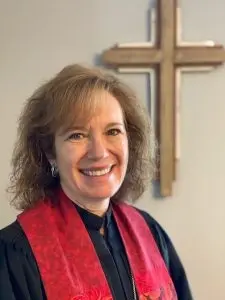 The Cornerstone Fund is pleased to announce the appointment of Rev. Kimberly Wood as its Chief Relationship Officer and Vice President, effective July 1, 2026. In this role, Rev. Wood will report directly to Maria Coyne, President & CEO, Cornerstone Fund, and will become an integral part of the executive leadership team.
With a wealth of experience and a deep commitment to Cornerstone Fund's mission, Rev. Wood will be primarily responsible for nurturing and growing relationships with internal and external collaborators of the Cornerstone Fund. She will also be responsible for oversight of the Fund’s Marketing & Communications function as well as Development activities.
Expressing her enthusiasm, Rev. Wood stated, "This role sits at the intersection of everything I value: transformational partnership, faithful stewardship, community investment, and relational leadership. I am eager to support the organization’s work of building a more just, sustainable, and thriving future for all.”
Cornerstone Fund President & CEO, Maria Coyne has shared, “We are honored to have Rev. Wood joining our team. Kim brings amazing skills plus strong existing relationships. She has demonstrated both the creative thinking and caring that is characteristic of, and will be additive to, our leadership team and organization.”
Prior to joining Cornerstone Fund, Rev. Wood served as the Conference Minister for the Southeast Conference of the United Church of Christ. Her experience also includes serving as the acting Associate Conference Minister for the Illinois Conference, as a local church pastor at several congregations in Illinois, and as a social worker. Rev. Wood has extensive board service including the United Church of Christ Board, PATHWAYS Theological Education, Inc., Back Bay Mission Board, and Uplands Village Board of Directors.
###
About the Cornerstone Fund
Founded in 1993, the United Church of Christ Cornerstone Fund’s mission is joining together in faith to invest in and build community. The Cornerstone Fund is a non-profit financial institution that offers investments for individuals, churches, and faith-based non-profit organizations. The Cornerstone Fund then loans those funds directly to other churches and faith-based non-profit organizations for projects that create change in their communities.
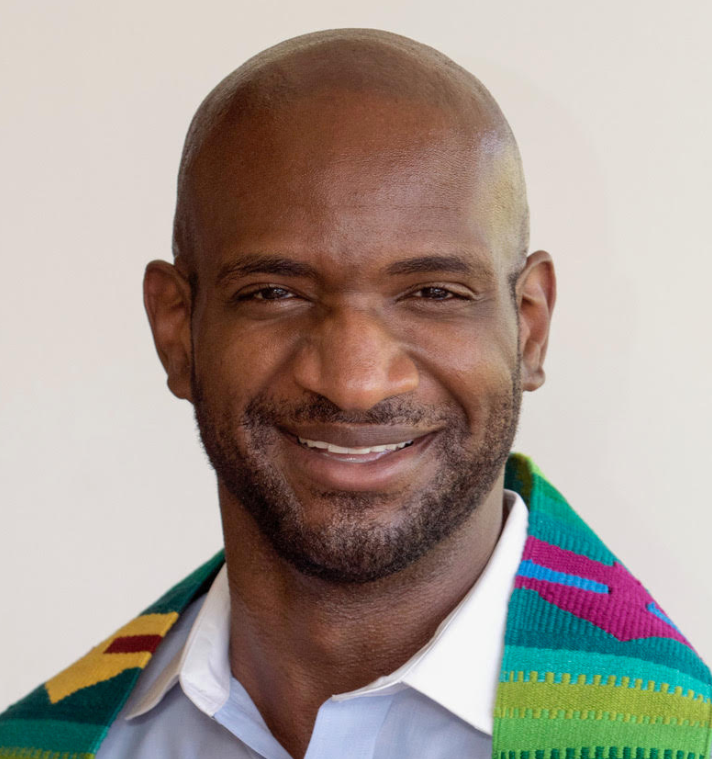
Rev. Rodrick Echols
The Rev. Rodrick Echols (he/his) serves as Pastor at Neighborhood Congregational Church, United Church of Christ in Laguna Beach, CA. He is a graduate of both Brown University and the School of Theology at Boston University. Prior to beginning full-time ministry in Laguna, Rod held fund development roles at prominent, national institutions, including UC San Diego, Brown University, United Way, and St. Jude Children’s Research Hospital. His specialties include pastoral care, leadership development, speech communication, and counseling. Rod was pleased to serve in various capacities with a number of churches, including Youth Pastor, Interim Pastor, and Pastor of Congregational Development. Rod is originally from Memphis, TN, with unfailing tastes for jazz, soul, and gospel music. He is a lover of comic books, works on astrotheology, college basketball, professional football, and non-chocolate candies. His ongoing academic interest is in the development of a theory of leadership for equitable communities.